The Louno Space blog
Space, explained for curious young minds
Ideas, activities and honest answers to the big questions children ask, written for the teachers and parents who get asked them first.

For primary schools
Bring the Space Club to your school
A weekly after-school STEAM club, fully resourced and run by our team. Start with a free assembly for the whole year group.
See how it works

STEM Assembly Ideas for Primary Schools: 8 Demonstrations for the Whole Hall
Eight STEM assembly ideas for primary schools, from an egg drop to a human robot, each with the kit, the curriculum link and a 20-minute running order.

Christmas Science Activities for KS2: 10 Space-Themed Ideas for the End of Term
Ten Christmas science activities for KS2, from parachuting presents to a light-up card circuit and the Geminid meteor shower, each mapped to the curriculum and built from classroom kit.
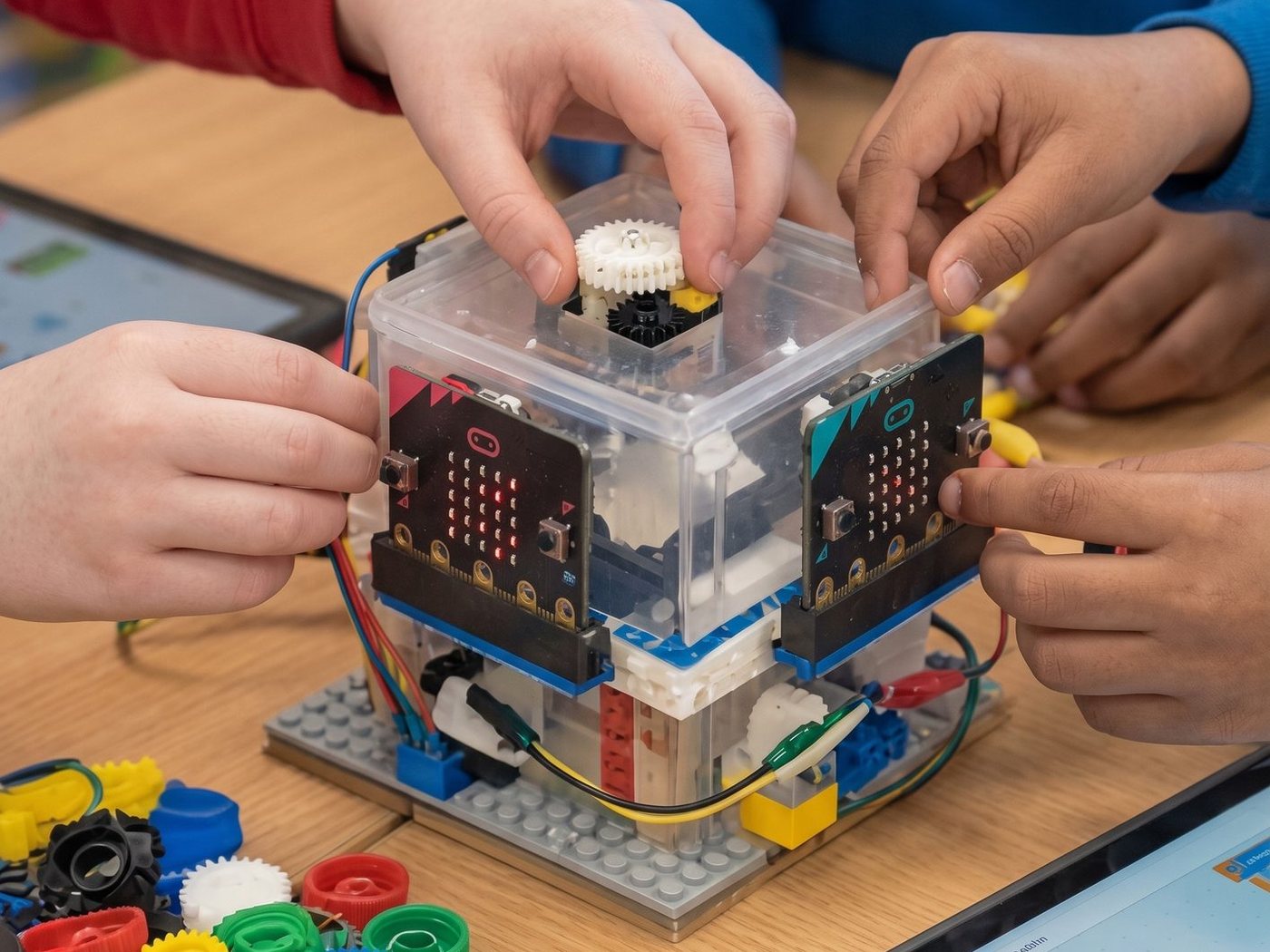
Space Workshops for Primary Schools: What to Book and What Good Looks Like
Space workshops for primary schools explained: the formats schools book, what to ask before booking, and ideas for each key stage.
Free for teachers
The space activity pack, in your inbox
Six printable lesson starters, one a month, plus what we are learning from schools around the country. Unsubscribe in a click.
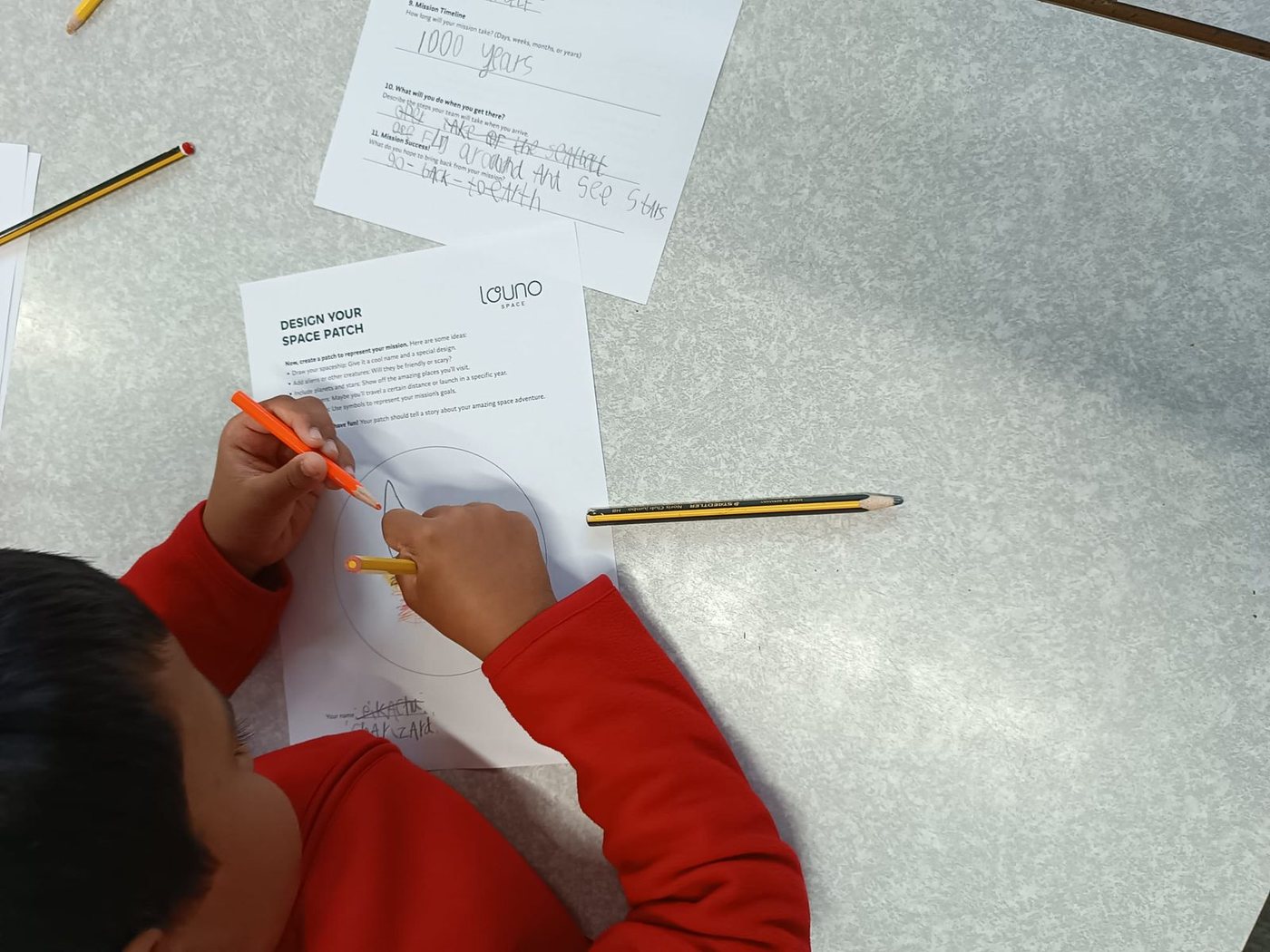
Teaching the Space Topic in KS1 and KS2: A Term Plan That Survives a Real Class
One question and one build a week for six weeks, mapped to Year 5 Earth and Space, with the KS1 version alongside and the three mistakes that sink a space topic.

How to Improve STEM Provision in a Primary School: A One-Year Plan
A one-year plan for primary schools improving STEM provision from a standing start: audit, quick wins, a weekly club, evidence and quality marks.

The DfE Enrichment Framework: A Primary School Guide to the 8 Benchmarks
The DfE Enrichment Framework explained for primary schools: the eight benchmarks, the five enrichment categories, and how STEM enrichment helps meet them.
Space Assembly Ideas for Primary Schools: 10 That Work from Reception to Year 6
Ten space assembly ideas for primary schools, a 25-minute running order and how to adapt it for each age, from engineers who run school assemblies.
My Job as a Space Engineer: What It Takes to Build Hardware for the Moon
Mirko Viviano on what a space engineer actually does: design reviews, vibration tables, hardware bound for the Moon, and the four skills that carry a team through a failed test and a Space Club session alike.
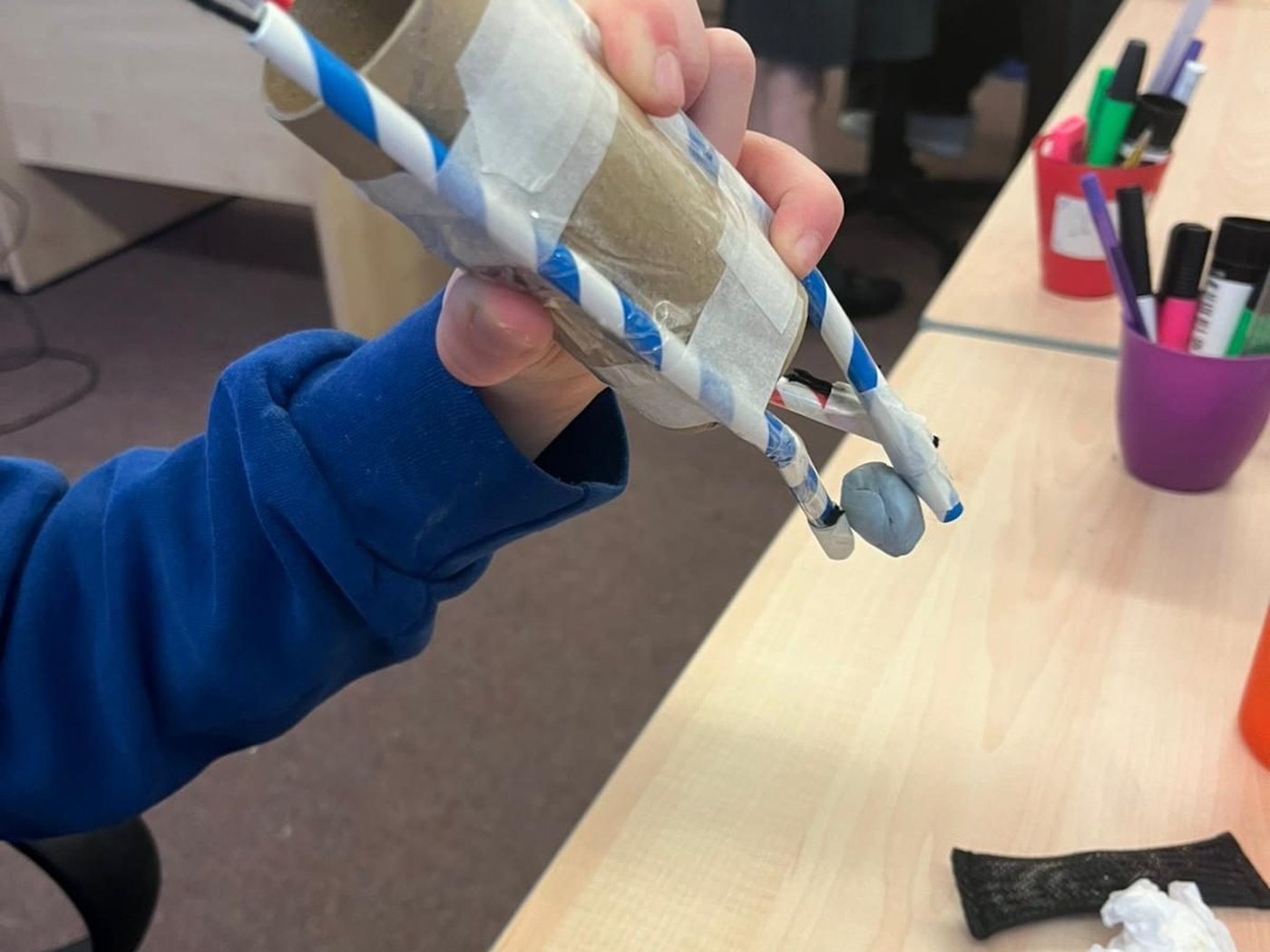
Neil Armstrong Activities for KS1: A Moon Landing Week for Year 1 and Year 2
A five-day Neil Armstrong plan for KS1, the key Apollo 11 facts to teach, and hands-on Moon landing activities for Year 1 and Year 2.
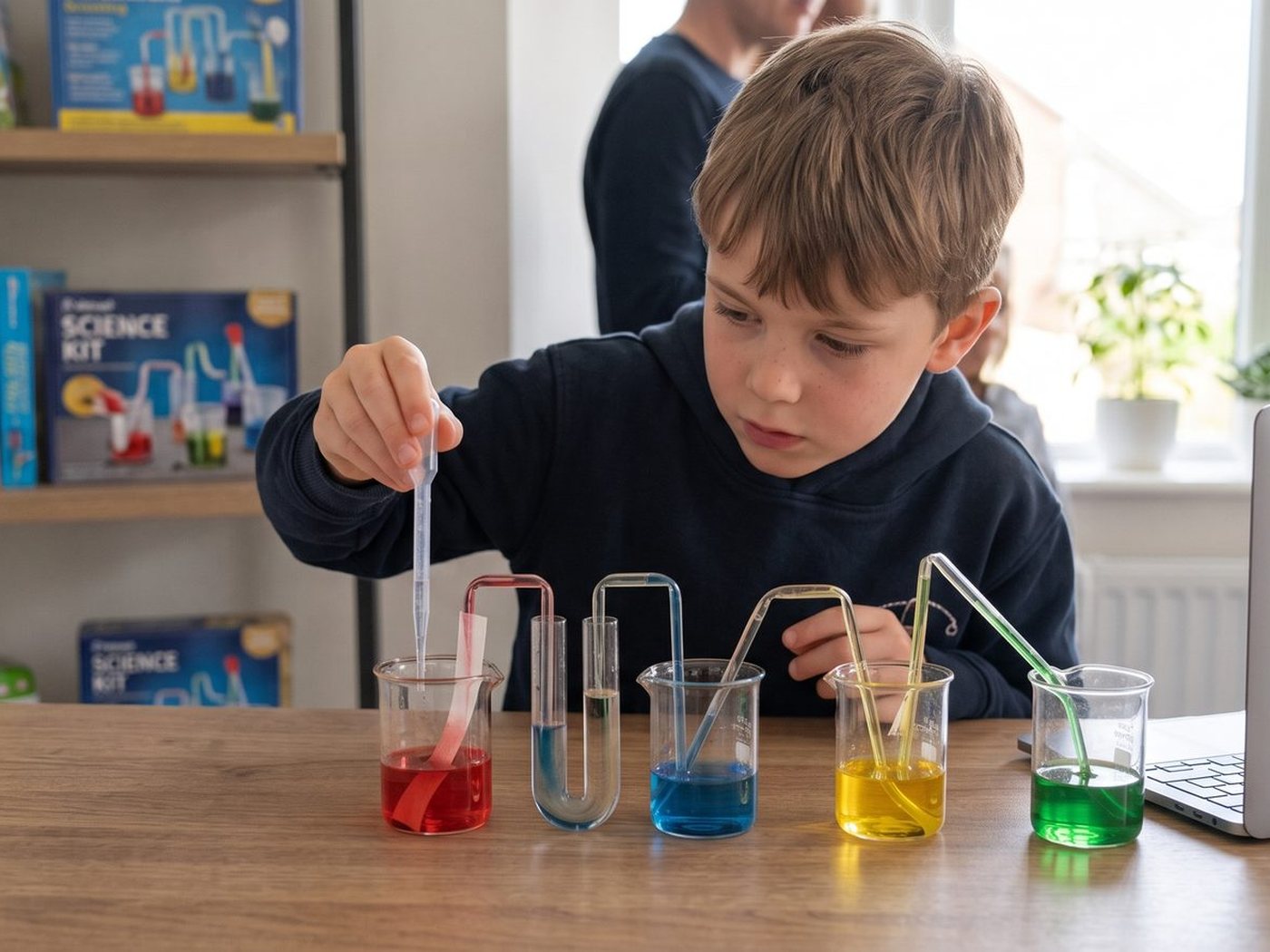
20 Space Activities for Kids at Home (KS2)
Rockets, craters, Moon phases, a Mars habitat and a satellite with a budget: twenty activities with kit, timing and the science underneath, nothing from a specialist shop.
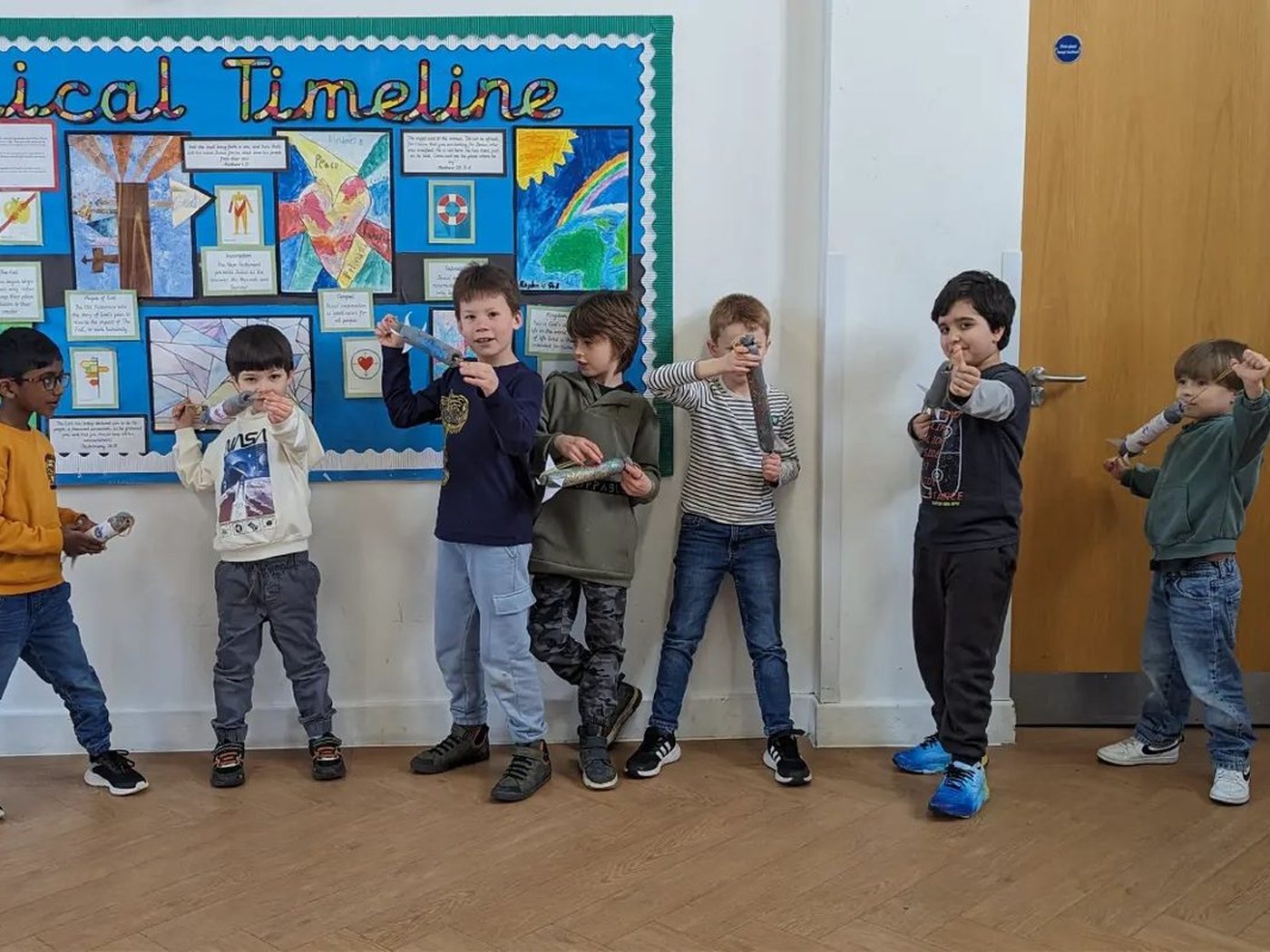
Celebrating World Space Week 2026 in Portsmouth with Build Your Rocket
World Space Week runs 4 to 10 October and this year it is about rockets. With Portsmouth City Council and Portsmouth Libraries we are running Build Your Rocket at Central and Southsea libraries on Saturday 10 October.
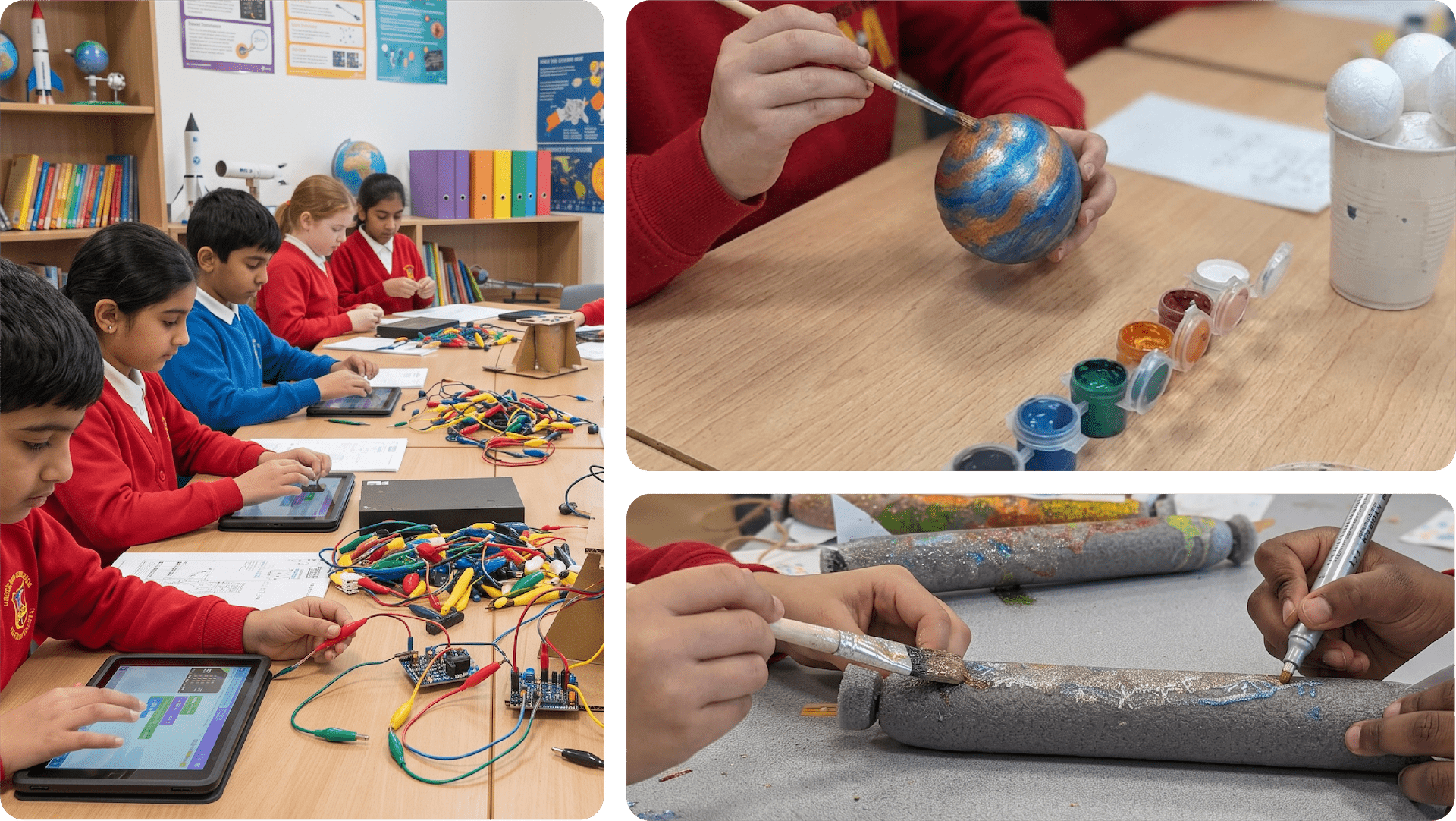
World Space Week Activities: One for Every Day of the Week
Seven World Space Week activities for kids, one a day from 4 to 10 October: build Sputnik, spot the space station, race a balloon rocket and finish with a launch. Nothing to buy.
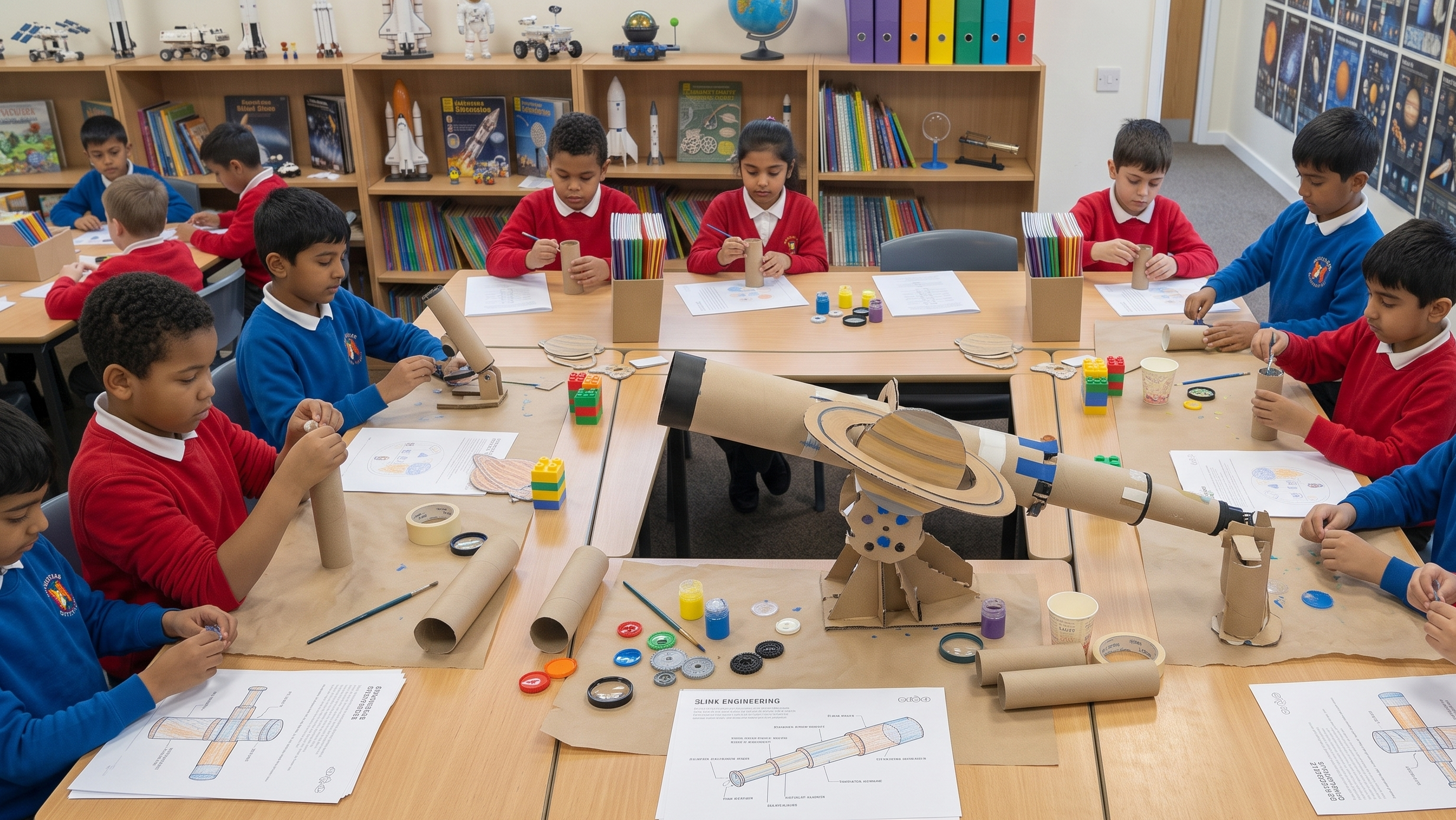
World Space Week Activities for Schools: A Monday to Friday Plan
A World Space Week plan for primary schools, 5 to 9 October 2026: one hands-on investigation a day, curriculum links, and how to adapt it from Reception to Year 6.
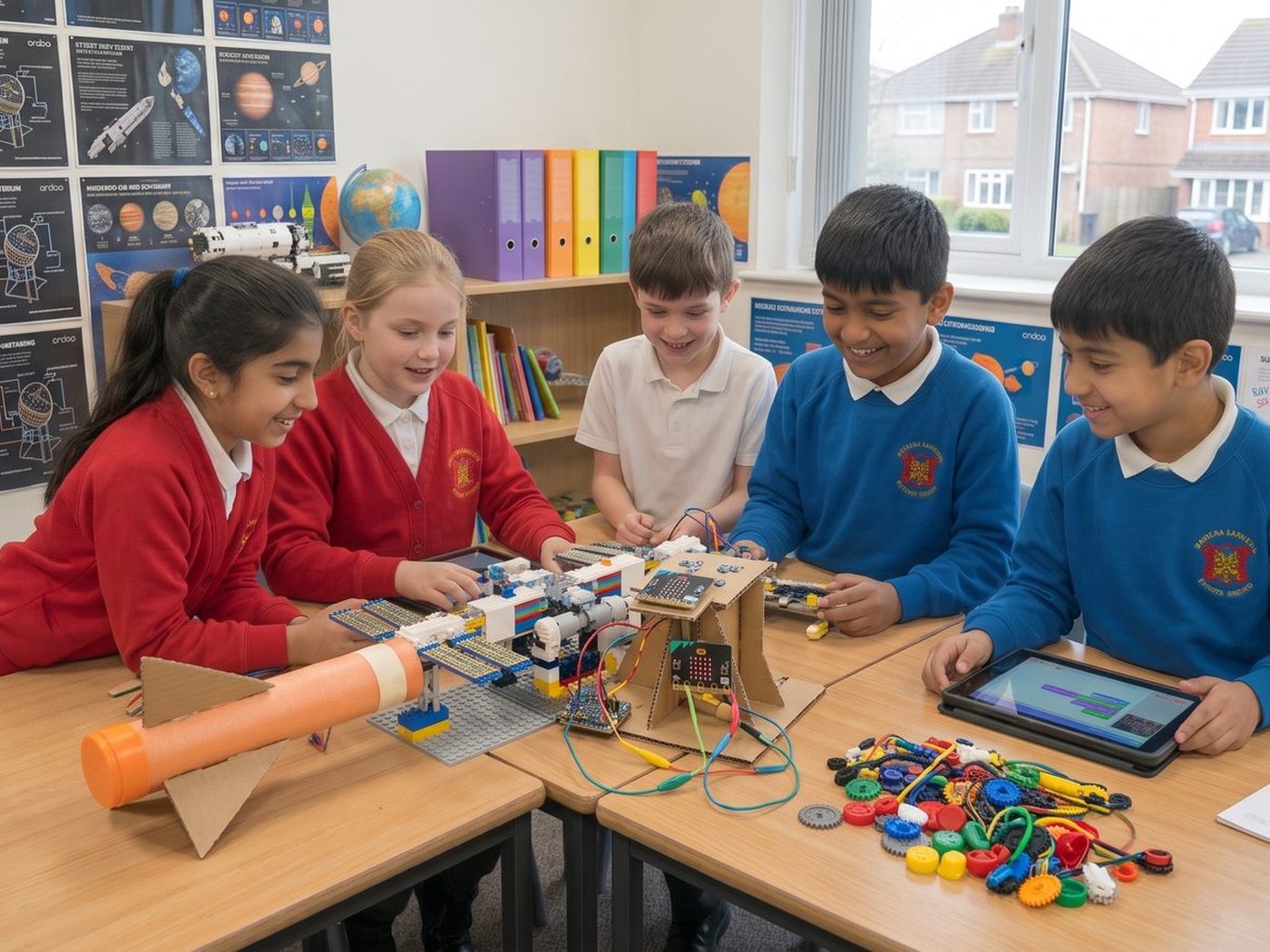
How to Start an After-School Science Club at a Primary School
The slot, who pays, the paperwork before session one, six sessions to plan, a launch assembly, and what it honestly costs a teacher in time.
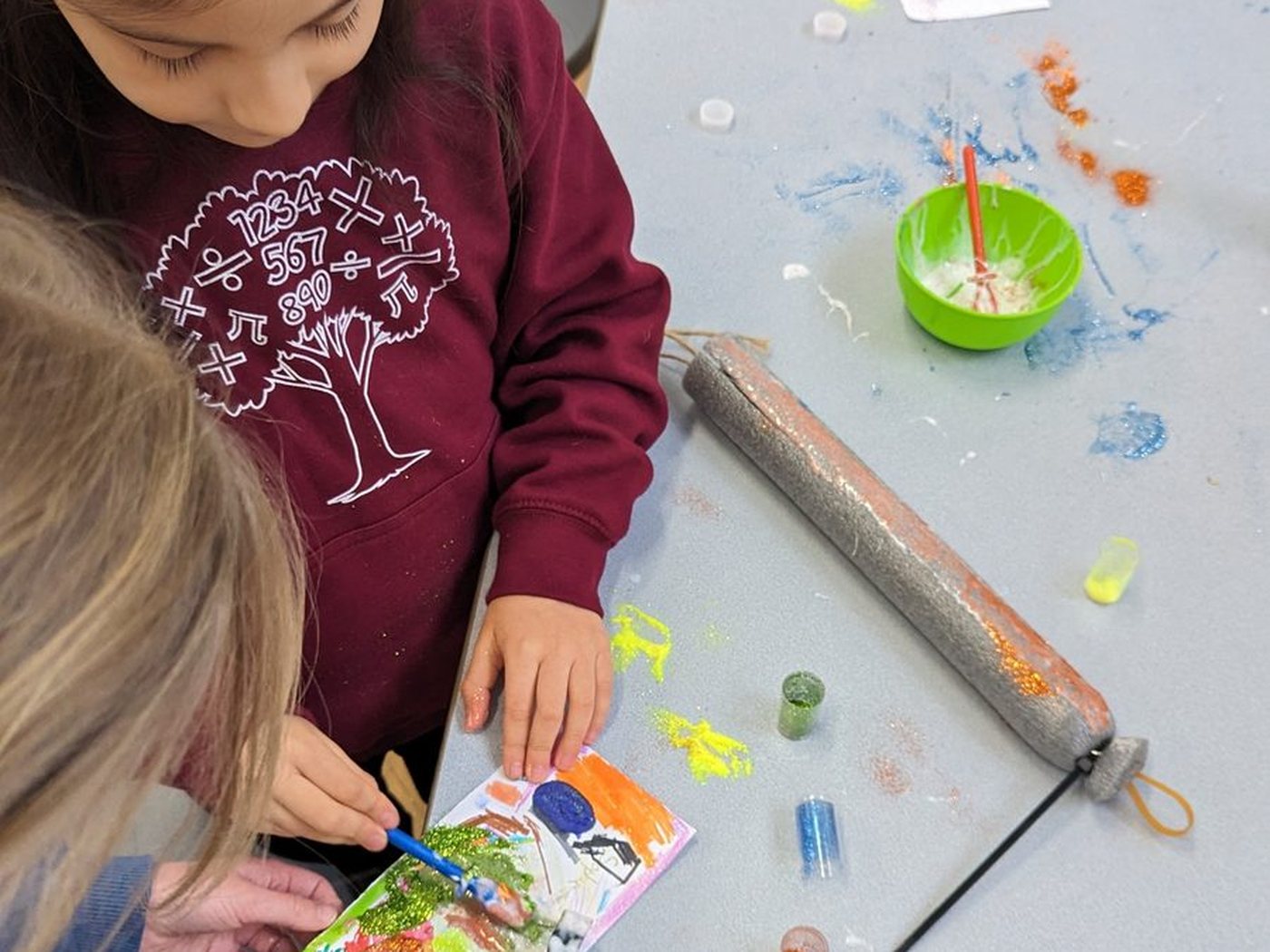
What Is a STEM Club, and What Should a Good One Look Like?
The four letters say nothing about quality. What separates a designed club from a box of kits, how to judge one before you sign up, and the picture in London.
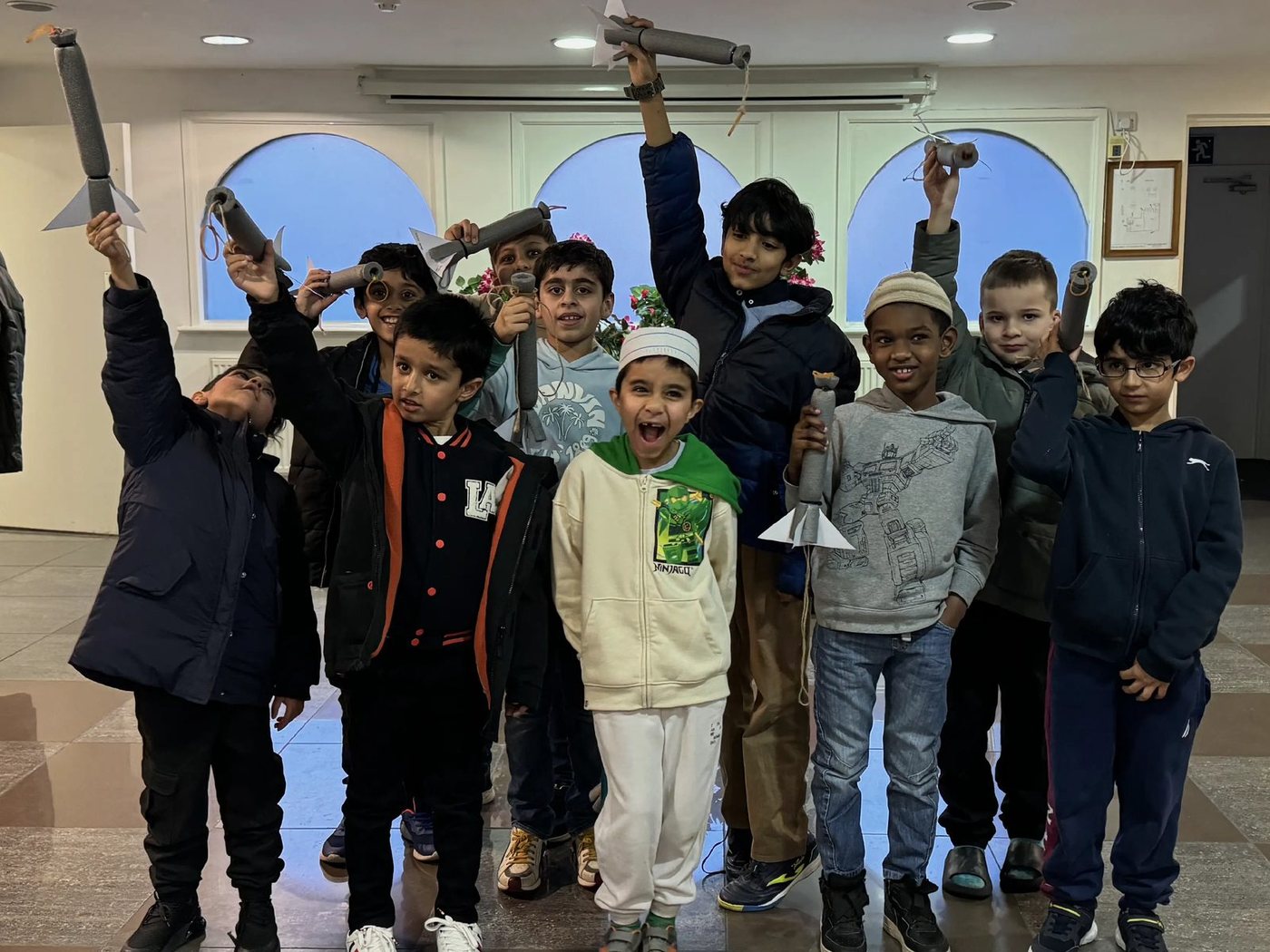
Space Birthday Party Ideas That Actually Work for 6 to 11 Year Olds
One mission, one build, one launch. The space birthday party ideas we use at our own parties, by theme and by age, with the mistakes to avoid and a checklist to print.
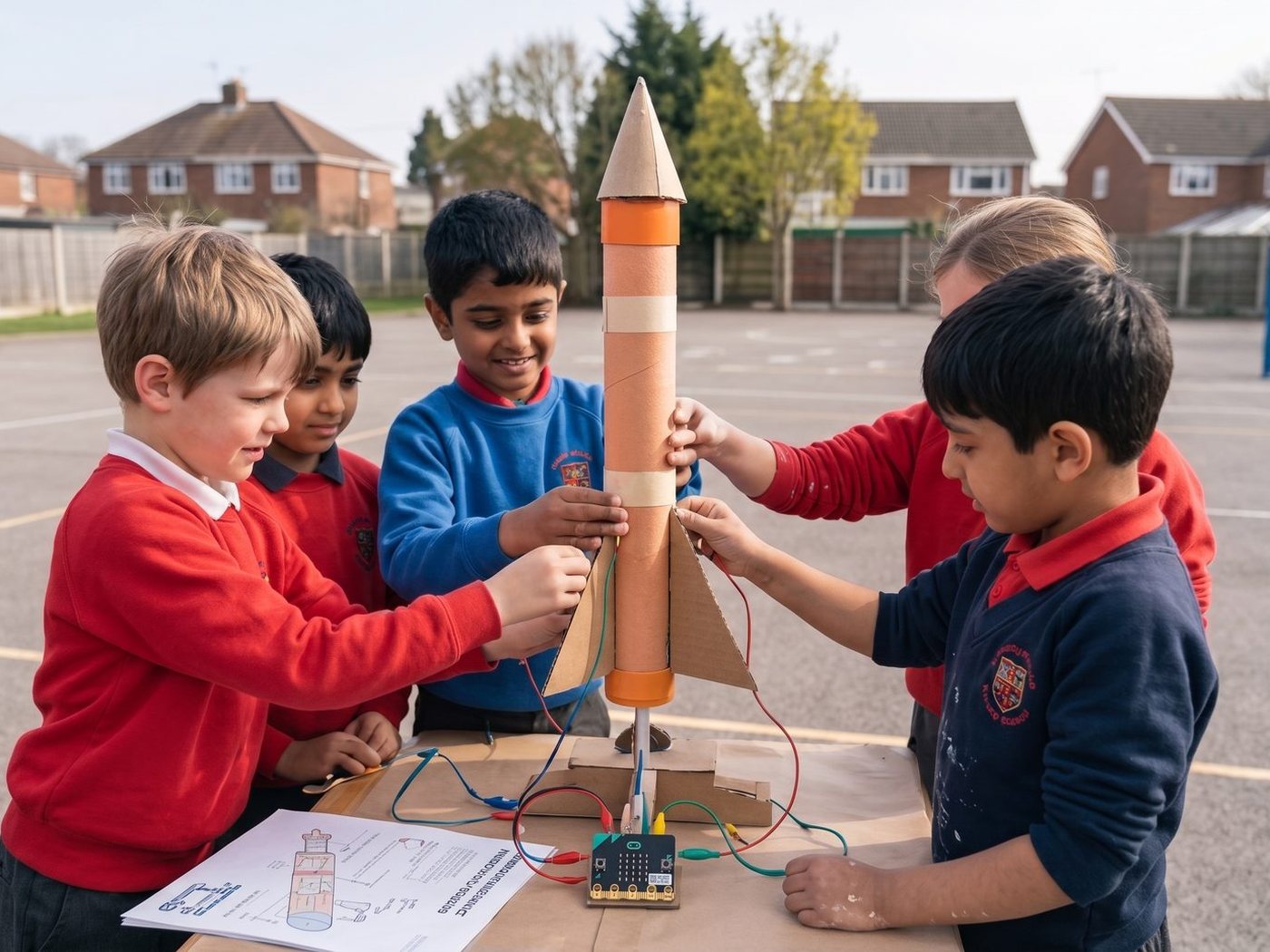
How Do Rockets Work? Explained for a Seven Year Old
Throw stuff out of the bottom and the stuff pushes back. The seven-year-old version, the nine-year-old version, and three rockets you already own.
Space Party Entertainers: What to Ask Before You Book
Nine questions that tell you more than a photo gallery, a comparison table you can fill in, and the red flags. We are one of the options; ask us too.
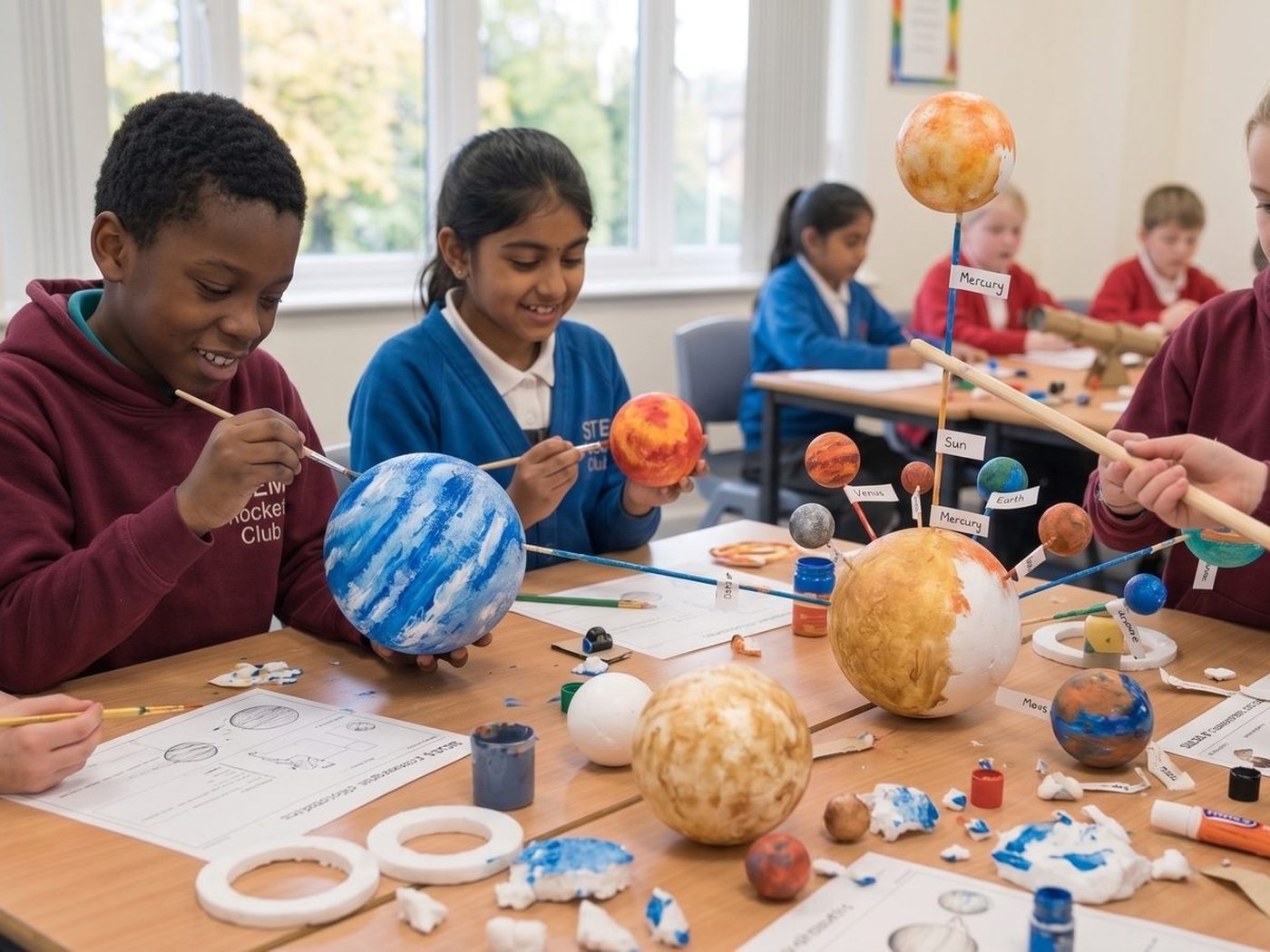
Planet, NASA or Astronaut? Choosing a Space Party Theme
Three different afternoons filed under one word. Which theme suits which child, what each looks like in a living room, and what goes in the party bag.
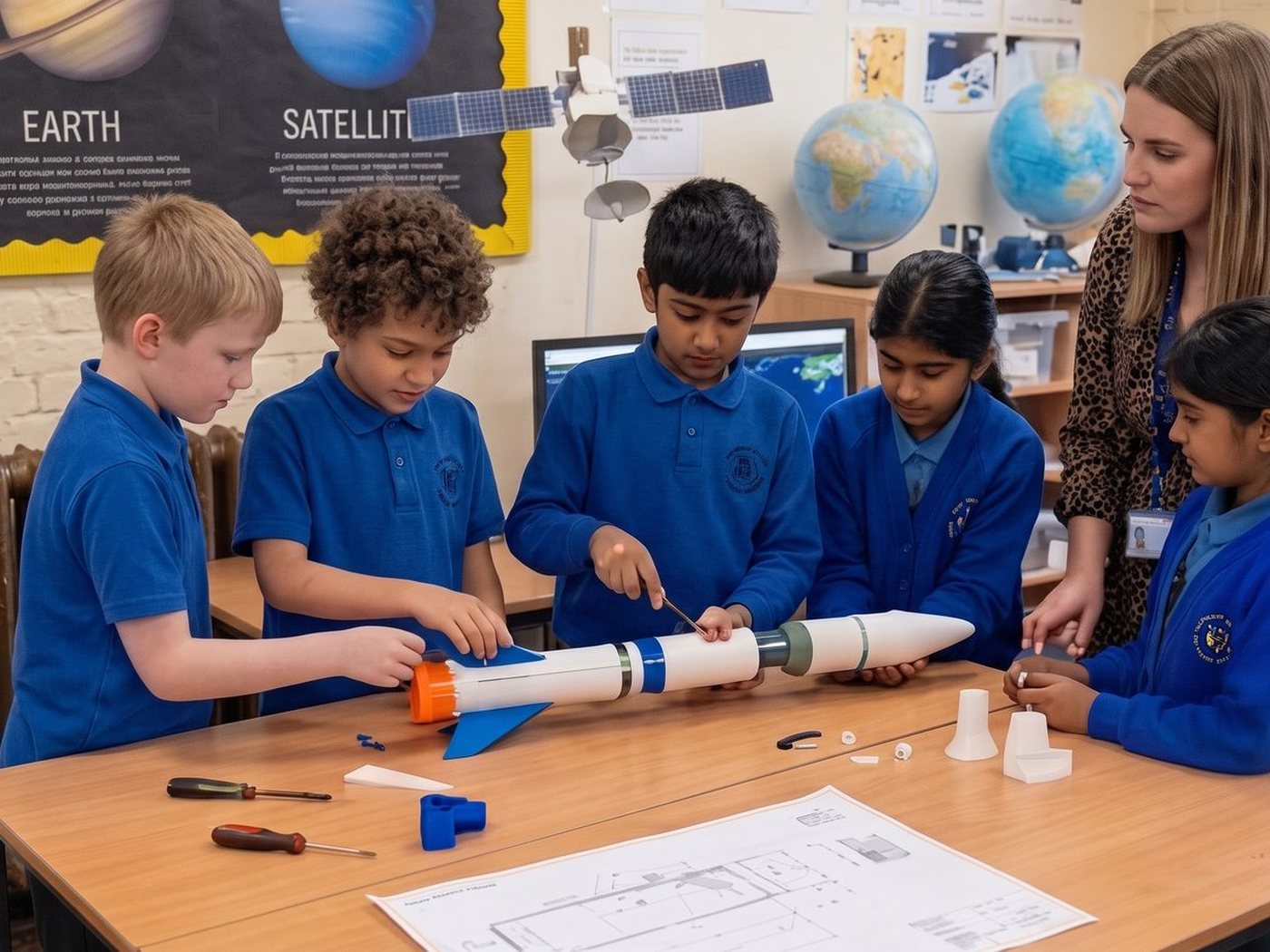
How to Make a Bottle Rocket at a Birthday Party (Safely)
A two-litre bottle, a cork, a bicycle pump and a set of rules everyone follows. The build the children do, the launch the adult runs, and what is actually happening.
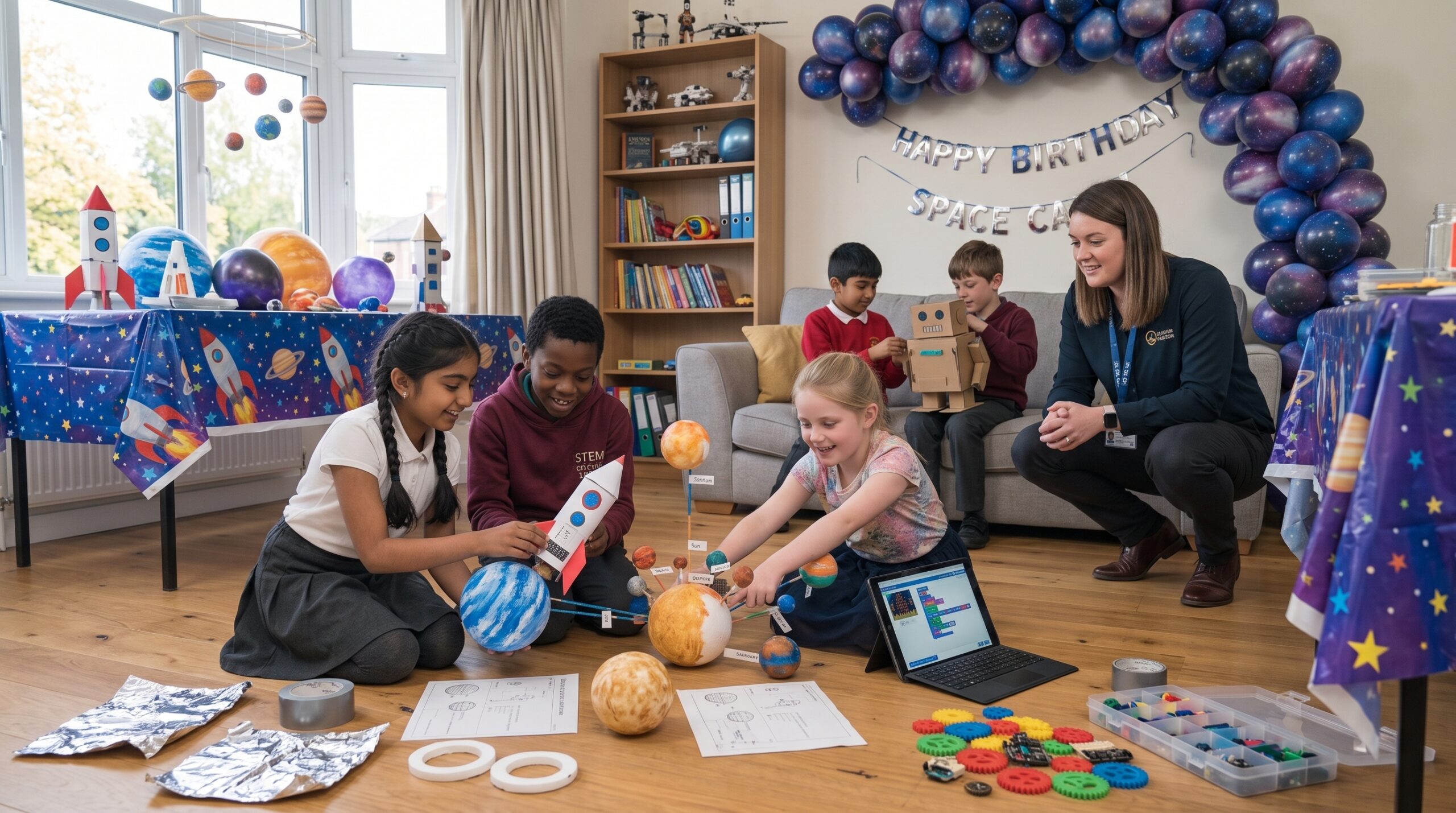
12 Space Party Games You Can Run in a Living Room
Twelve space party games with almost no kit, in the order that keeps a crew of six to eleven year olds where you want them, and the one thing each game quietly teaches.
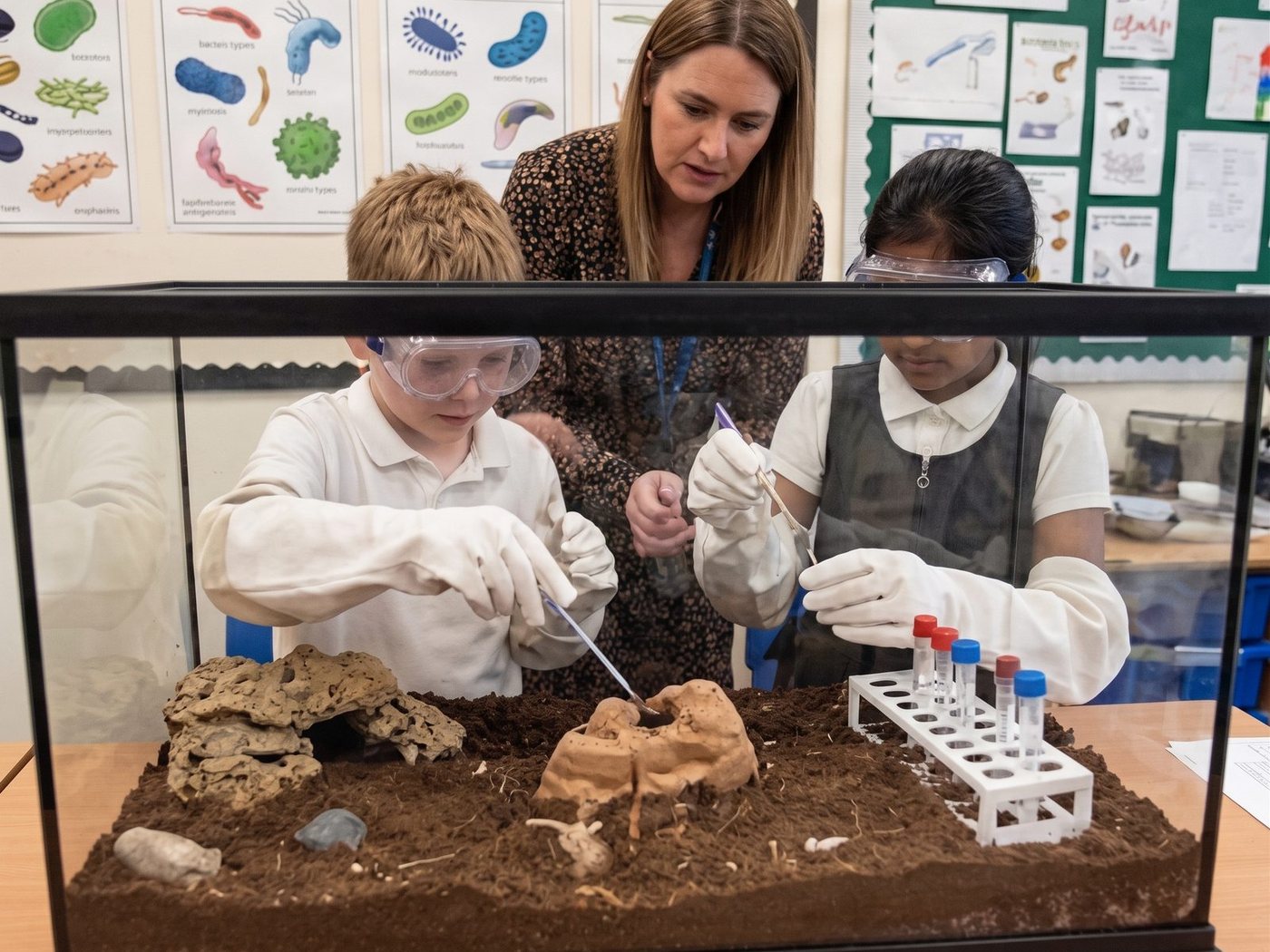
What Does Space Teach Us? Exploring the Universe with Curious Young Minds
Beyond the facts and the cosmic wonder, space teaches children how to ask a question, be wrong in public, and try again. Here is how to put that to work in a classroom.
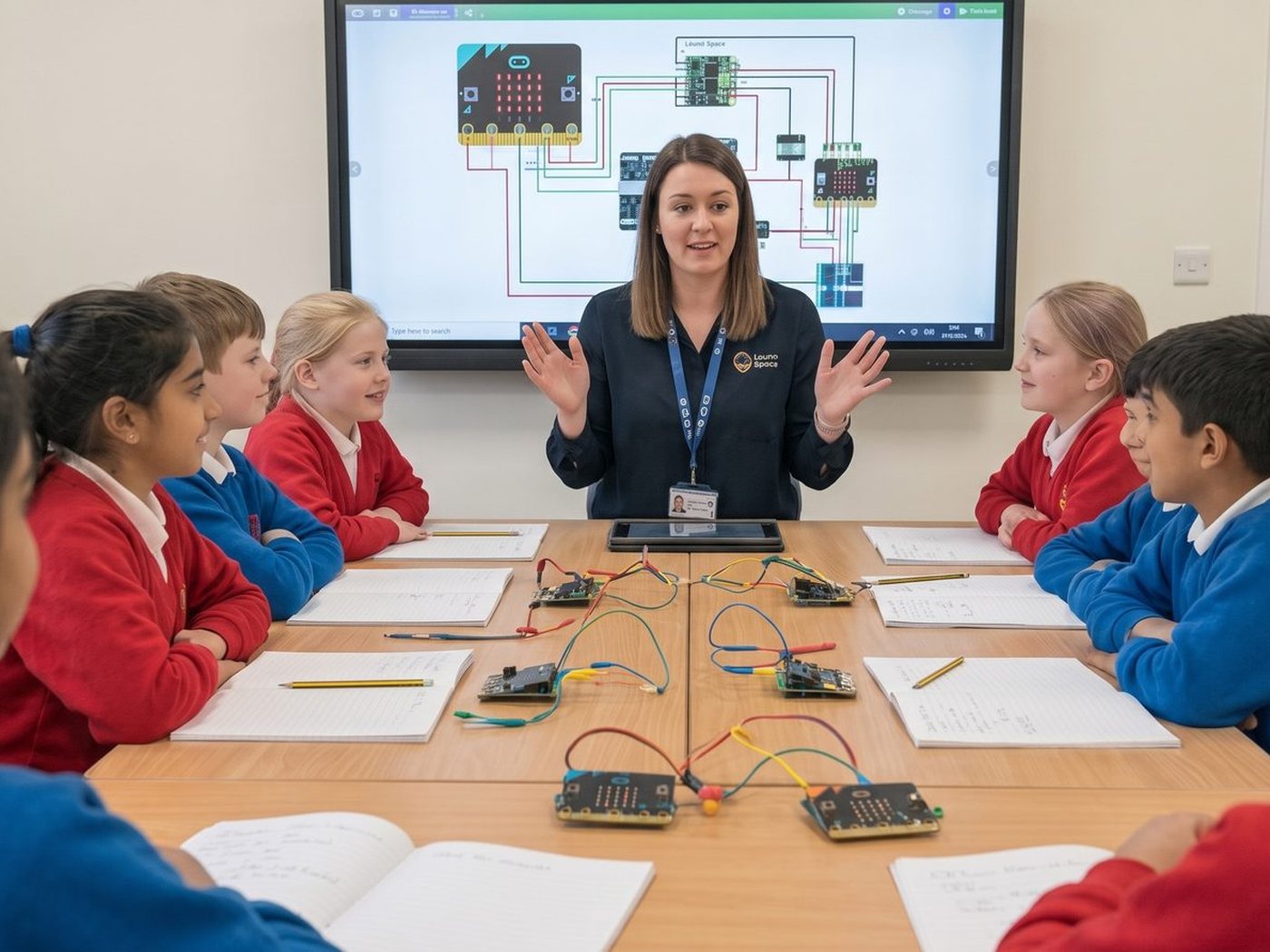
Exploring the Possibility of Humans Living on Other Planets
What would it actually take to call another world home? Fascinating, complex, and full of the constraints that make good science lessons.
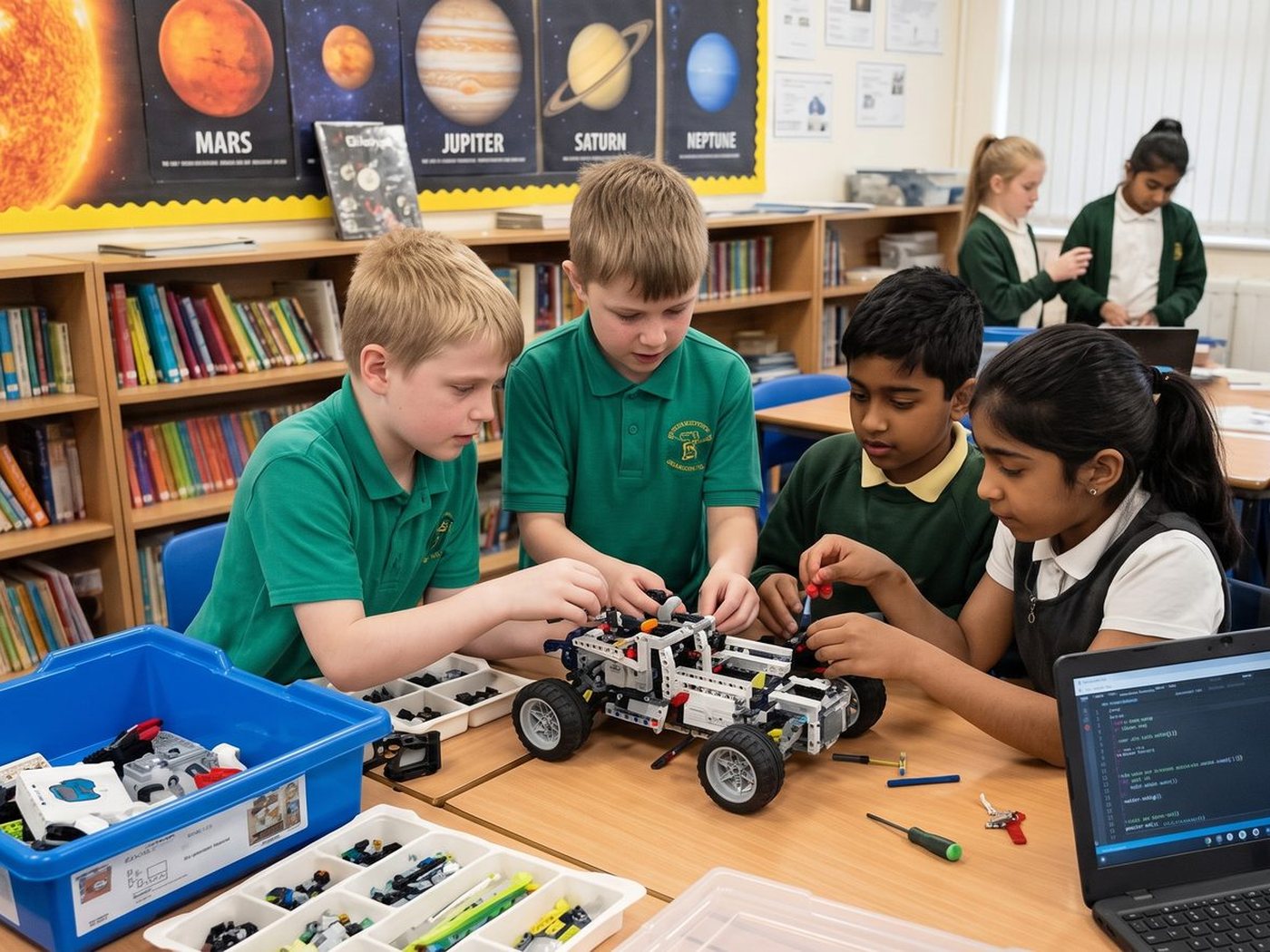
Where Does Space Begin for Kids?
The Kármán line sits 100km up — but the boundary is blurrier than the textbooks suggest, and the blurriness is the interesting part.
How to Retain Women in STEM: Inspiring Future Generations
Girls leave STEM subjects earlier than anyone expects. Here is when it happens, why, and the practical things a primary school can change.
Why Can’t We Stand on Uranus? Exploring the Mysteries of the Ice Giant
The ice giant has no surface to stand on. Here is how to explain a planet made of nothing solid to a seven-year-old without losing them.
Can Humans Live on Mars? Exploring the Possibilities with Young Minds
A question that sparks curiosity in every classroom, and a delightful way into real planetary science, radiation and thin air.
Ready when you are
Start with a free assembly
Forty-five minutes, the whole school, no cost and no catch: the easiest way to see what we do before committing to anything.