The Space Club

A weekly after-school club
where children work like a real mission team

Space Club runs every week in primary schools, led by a trained Mission Specialist. Every session is a different mission: building spacesuits, crash-testing landers, budgeting a satellite. The child makes something or decides something every single week.

★★★★★Loved by children, trusted by teachers across the UK

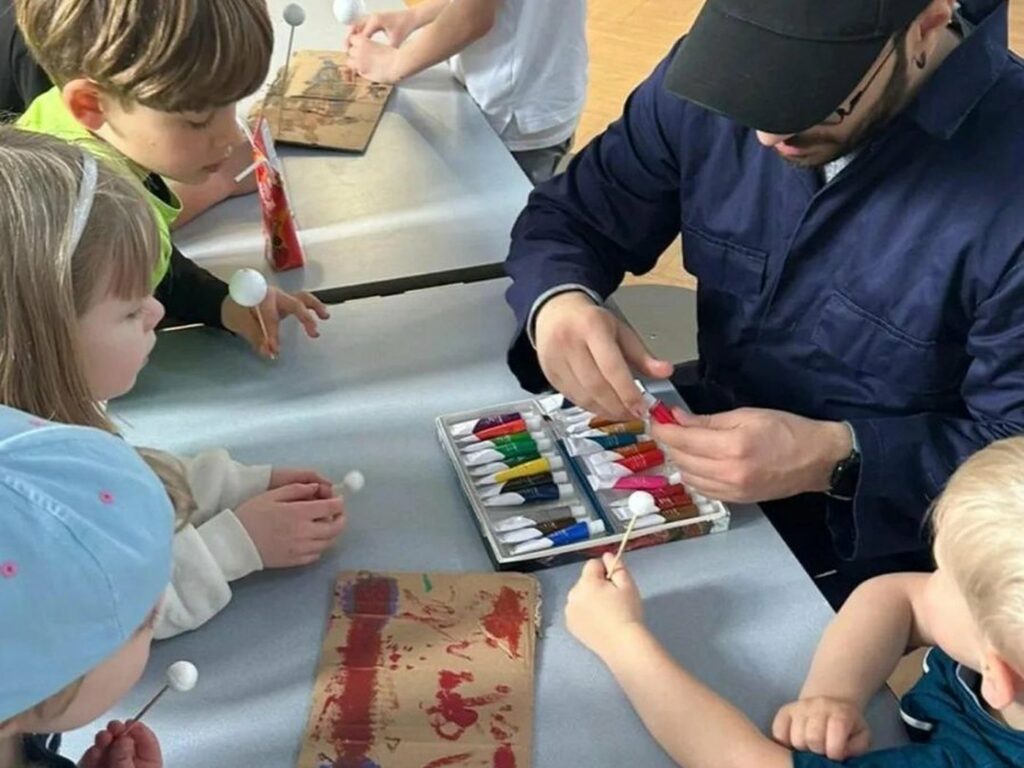
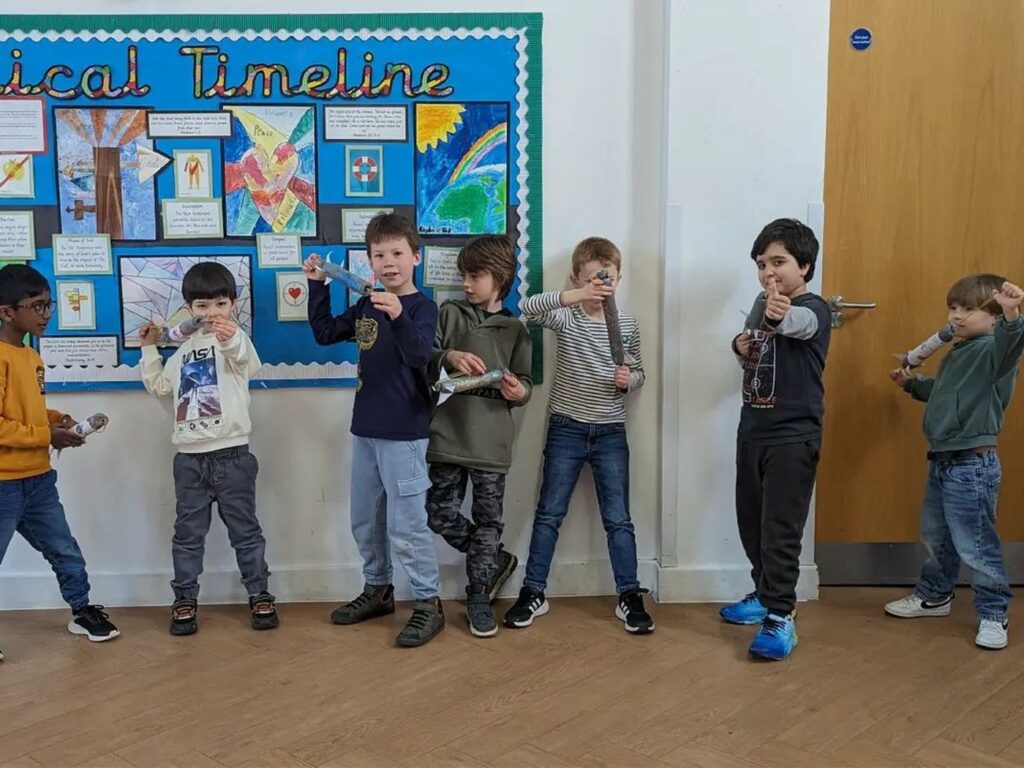
A Space Club mission in progress on the hall floor
A Space Club crew taking part in a hall activity
Louno Rocket

100+
missions

The Louno method

Launch → Explore → Build →
Challenge → Debrief

Every session runs on our five-phase mission method, designed by a spacecraft engineer and refined over hundreds of sessions. The detailed playbook stays in-house: it’s part of what makes a Louno session a Louno session.

Launch

Every mission opens with a hook worth caring about.

Explore

Just enough science to build with.

Build

Hands on materials. The heart of every session.

Challenge

Every build meets its test, in front of the whole crew.

Debrief

What did we learn, and what flies home?

Skills & badges

Eight skills, named out loud.
Four badges to earn.

Every mission develops named skills, and tutors call them out in the Debrief, so “that was Adapting” becomes language children use about themselves. Badges are awarded each term in front of the whole crew.

Built on recognised frameworks:

gemini generated image ga10s0ga10s0ga10

e sdg goals icons individual rgb 04 480x480

gemini generated image uerpupuerpupuerp

Badges of the term

Mission Star

Curious Scientist

Problem Solver

Team Player

A term runs 6 to 9 missions. It opens with an identity session, patches and team names, and closes with a graduation: badges, photos, and something to take home.

The missions

A 100+ mission library.
A different one every week.

Rockets, rovers, circuits, craters, coding and spacesuits. Science, computing, maths, D&T and art all feature across a term, and no mission repeats within a year.

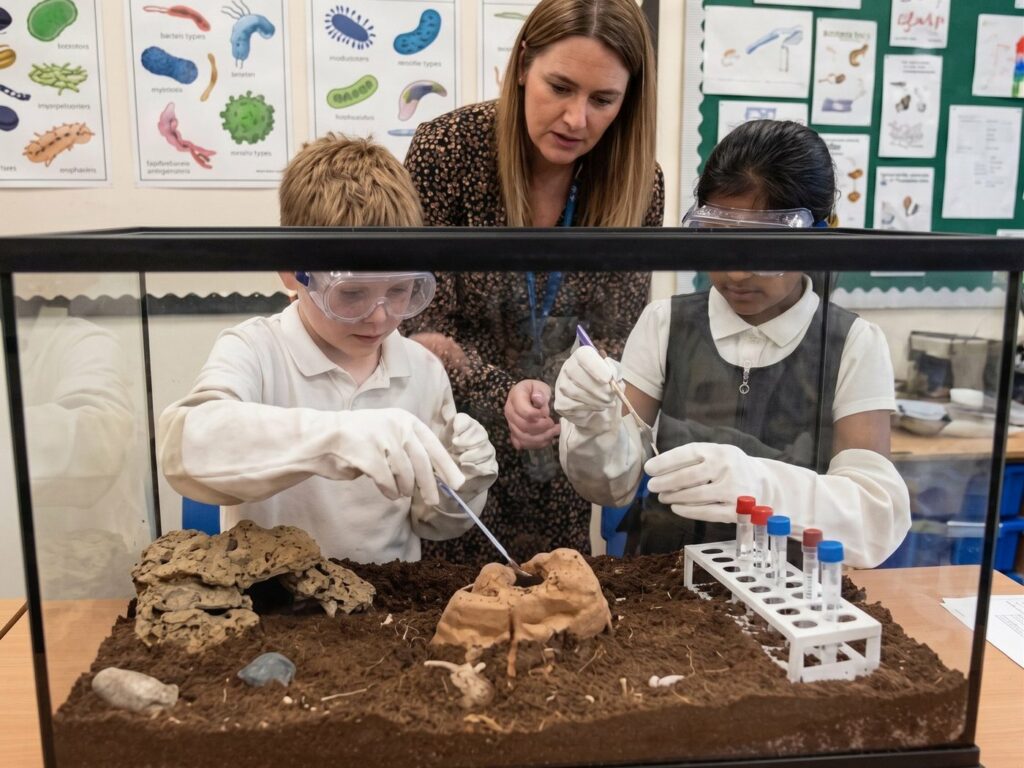
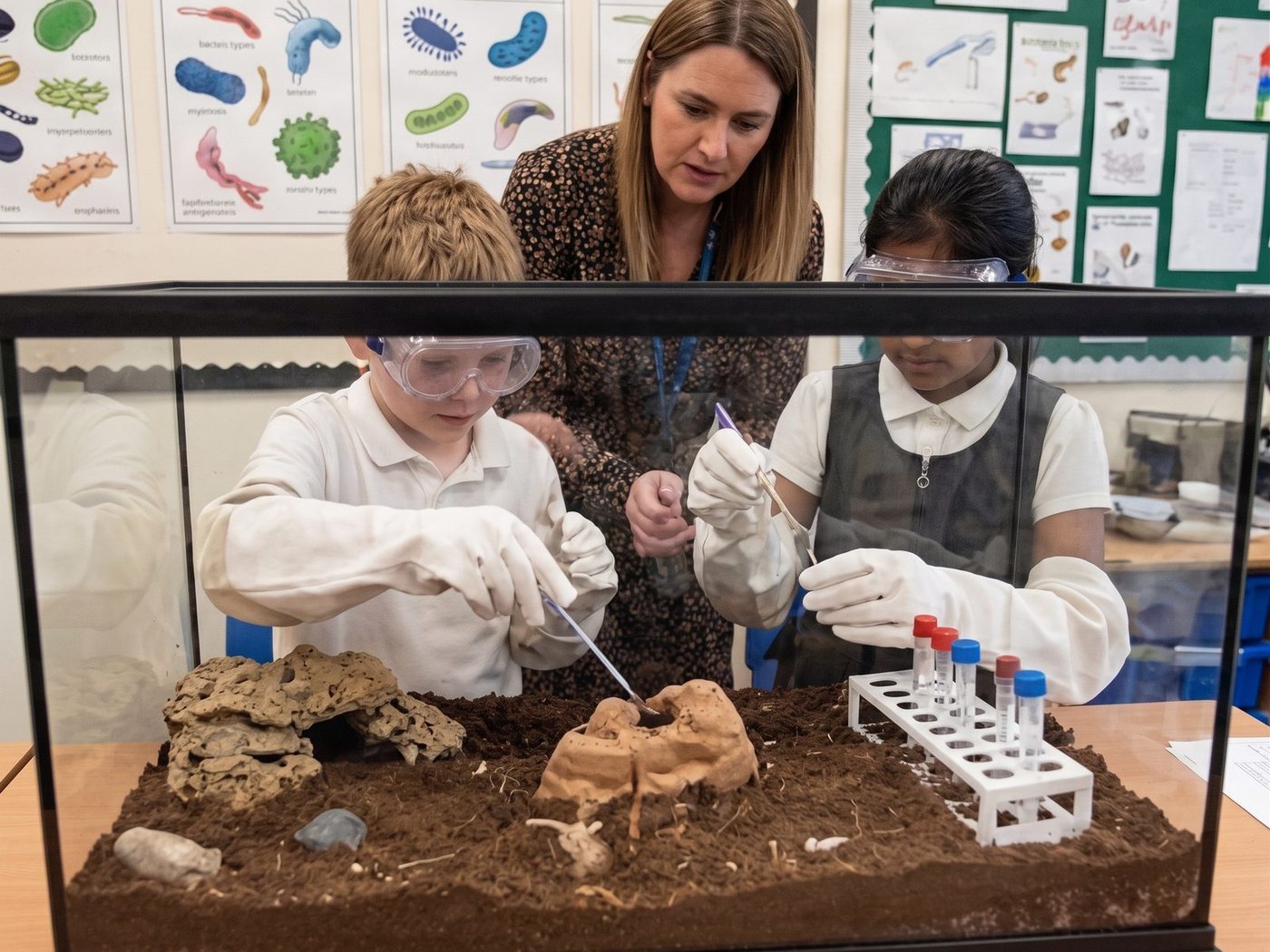
Children examining a built habitat in a sealed tank

Space Habitat

Design and build a habitat that keeps a crew alive, then defend your design decisions to the group.

Two children planning a lander build with components

Eggstronaut Lander

Build a lander to protect an egg astronaut through a real drop test. First attempt fails; the redesign is the lesson.

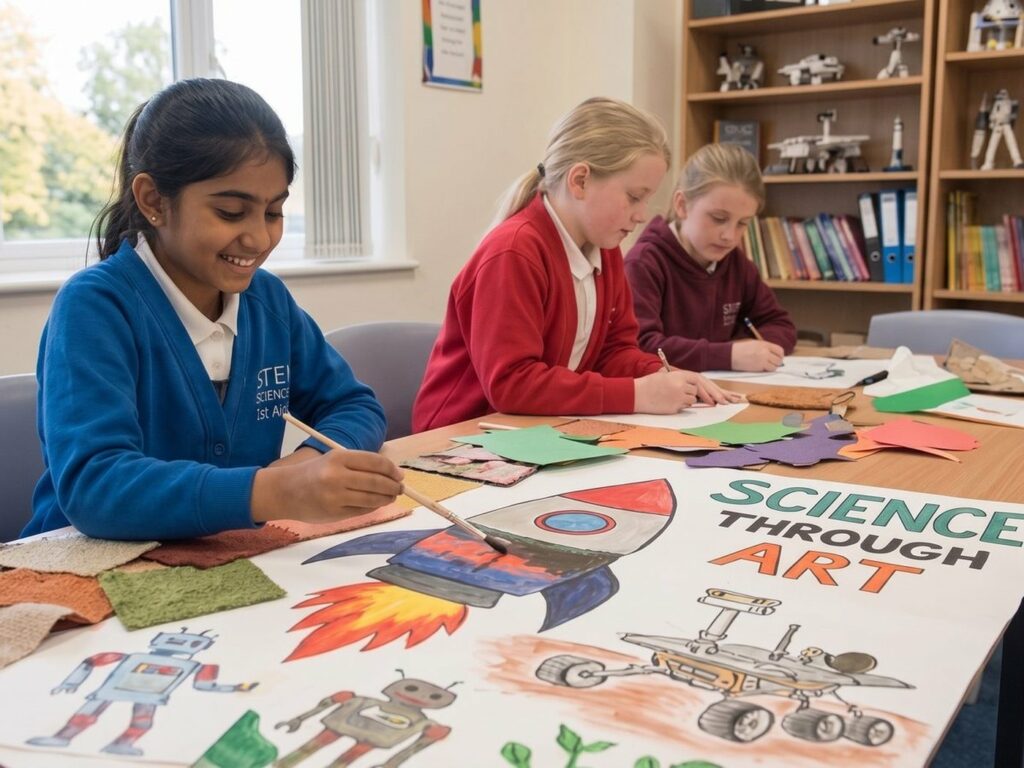
Children working on a science through art mission

Build a Spacesuit

Layer by layer, what keeps an astronaut alive, and why every gram matters.

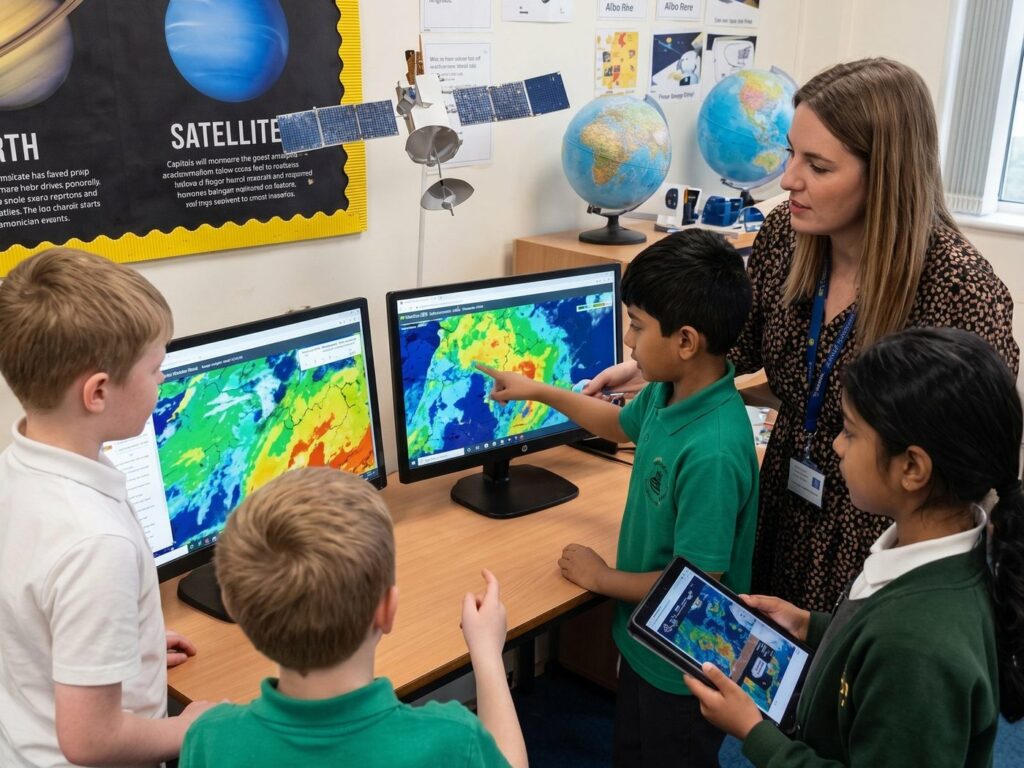
Children working at computers under a satellite poster

Build Your Satellite

Systems engineering for nine-year-olds: a real mass and power budget, and the budget is the lesson.

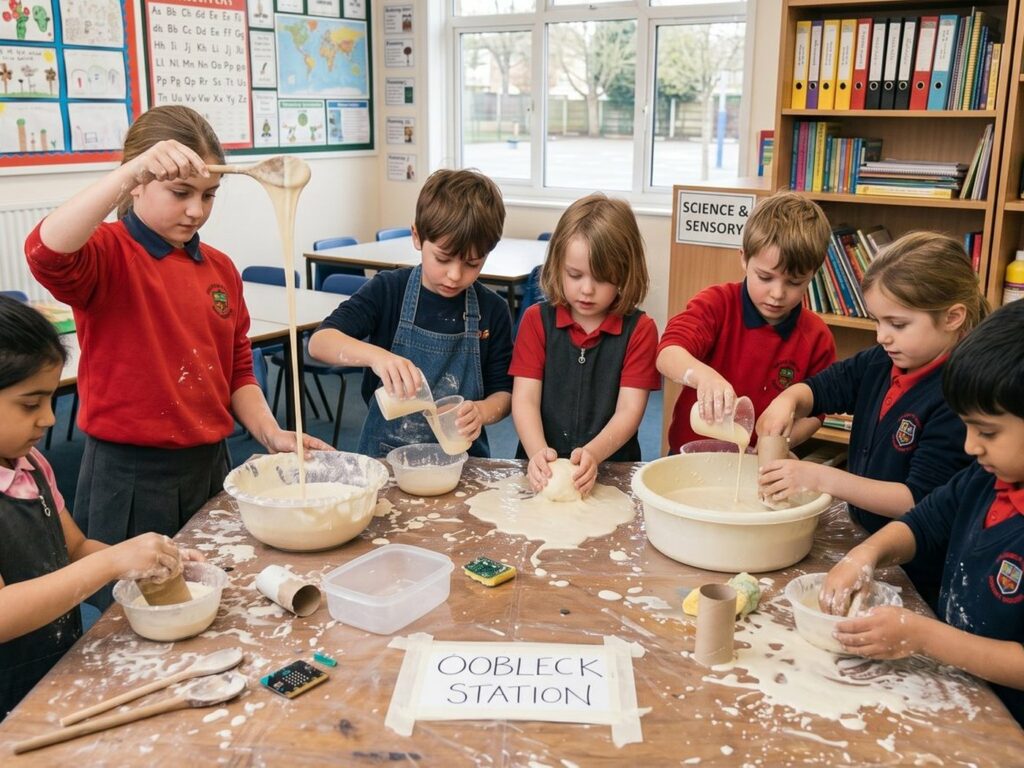
Children running crater impact experiments at a crater station

Moon Crater Creation

Impact physics with flour, cocoa and a meteorite you drop yourself. Measure. Change a variable. Drop again.

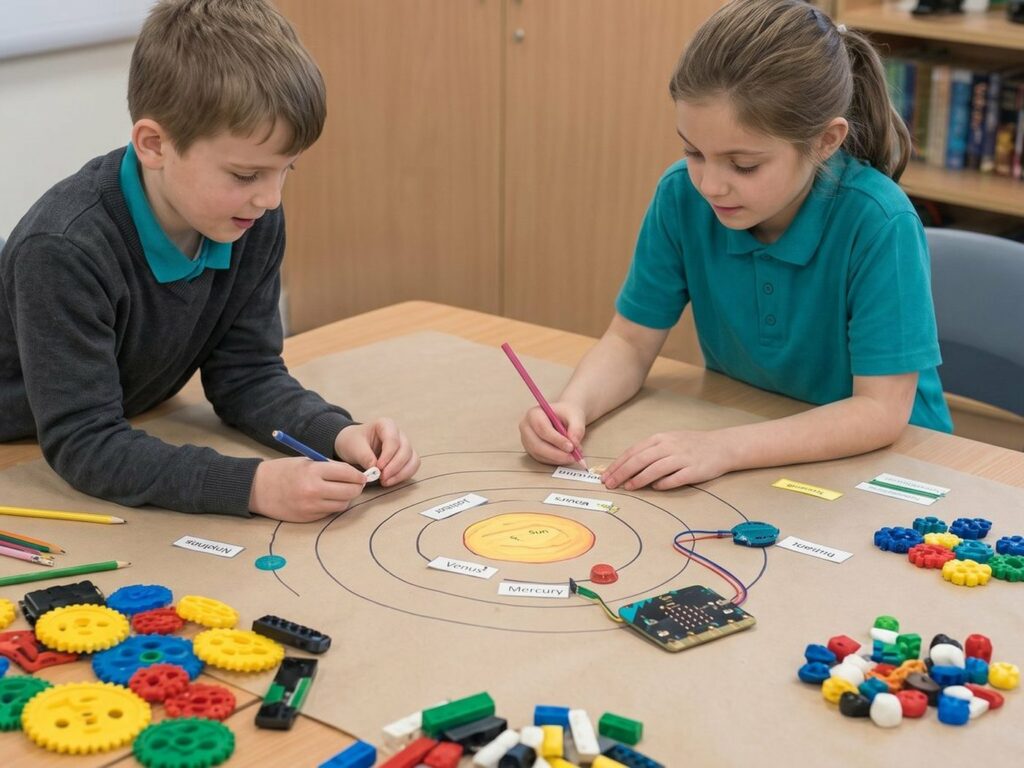
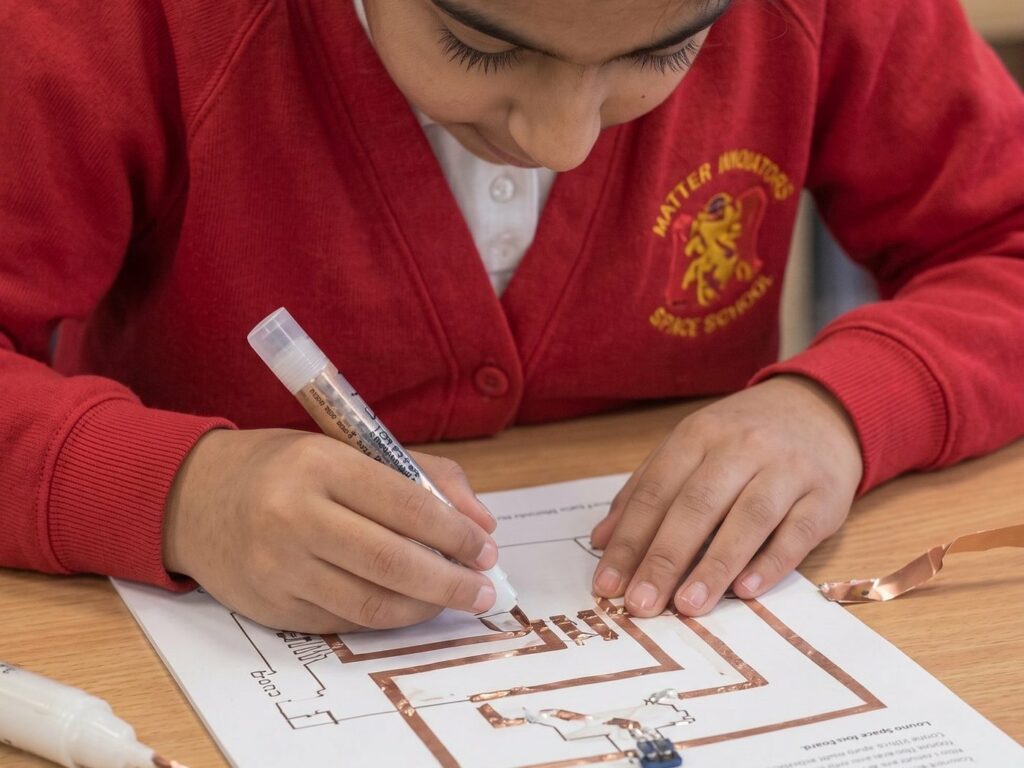
A child drawing a working circuit on a Louno Space board

Circuit Lab

Real circuits, real LEDs, real troubleshooting when the light doesn’t come on.

For schools & teachers

What your school gets as a
Louno Space school

A Space Club school gets more than an hour of after-school cover. It gets a space engineer-designed STEAM programme running on site, evidence of enrichment for inspections, and a story parents talk about at the school gate. We handle the work; you provide the room.

Start with a free assembly

Every Louno Space school can book a free whole-school assembly: 45 minutes, real mission hardware, delivered by a practising spacecraft engineer. No invoice, no obligation.

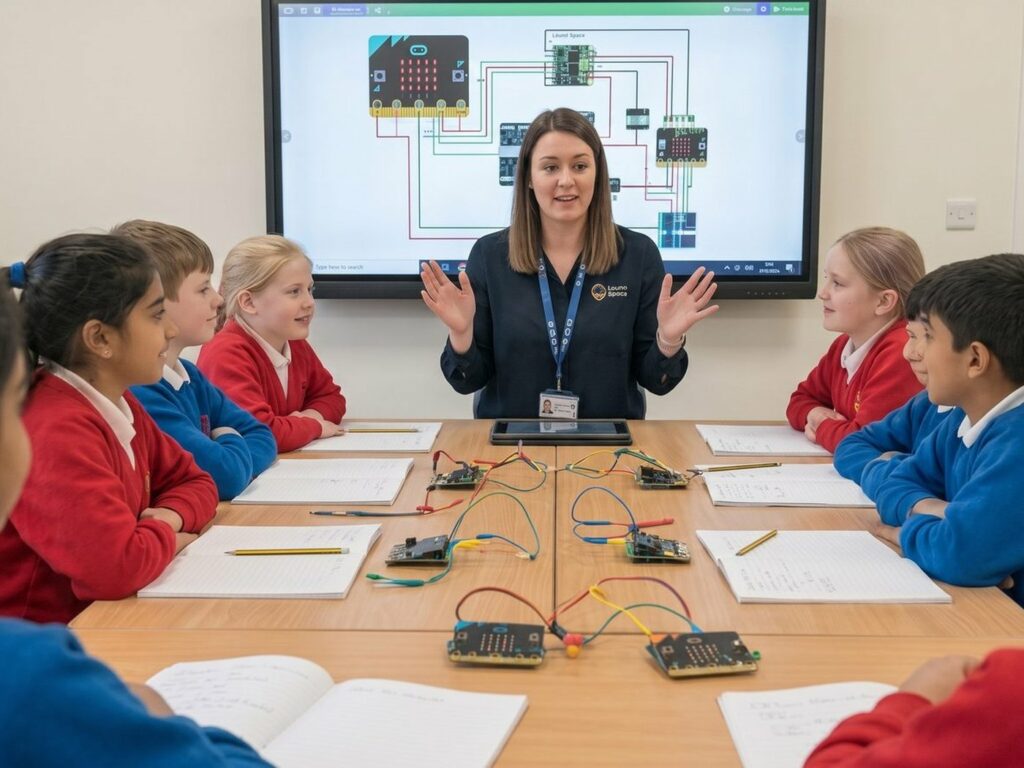
A Mission Specialist leading a session for a full class
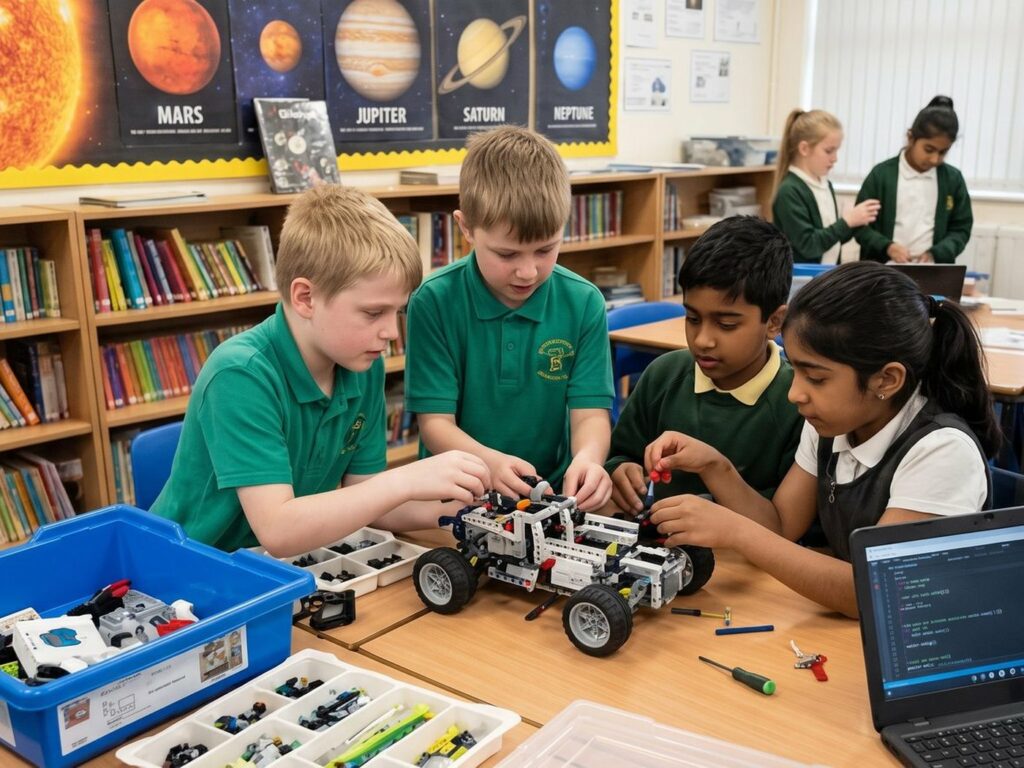
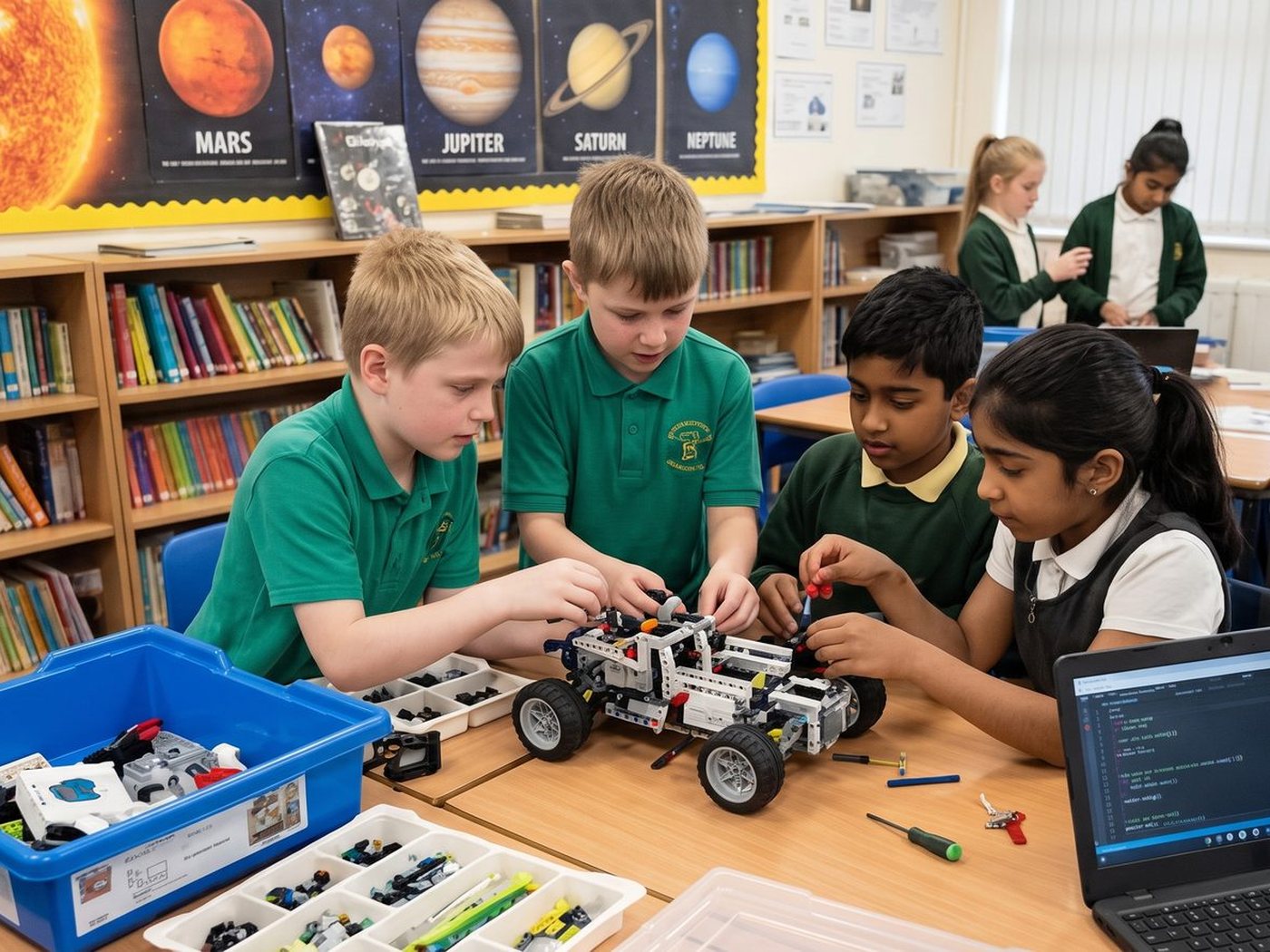
Children programming robots at a club night

A trained Mission Specialist, every week

DBS-checked, safeguarding-trained, certified through our in-house programme. The same tutor returns each week, so children build a real relationship.

Zero prep, zero storage

Every material, kit and mission brief arrives with us and leaves with us. Your school buys nothing, stores nothing and prepares nothing.

Compliance handled before day one

DBS certificates, safeguarding policy, risk assessments and public liability insurance, all in your inbox before the first session.

Parent communications done for you

Enrolment, reminders and session updates. We can run all of it, or plug into your existing systems. Your choice.

A termly impact report

Sessions run, children reached, curriculum links and feedback, written up for governors, parents and Ofsted evidence.

Curriculum-mapped enrichment

Every mission links to KS1 and KS2 objectives. Enrichment you can point to, not just childcare after the bell.

How it starts

Enquire

Tell us your school and year groups. A conversation costs nothing and commits you to nothing.

20-minute call

We agree the programme fit, logistics and pricing model, school budget or parent-paid, both work.

Paperwork done for you

DBS certificates, safeguarding policy, risk assessments and insurance, all provided before session one.

Club launches

Your Mission Specialist arrives with everything, every week. You provide the room and a register.

For parents

No club at your school yet?
You can start one.

Most of our clubs started with one parent asking one teacher. Tell us your child’s school: if we’re already there or in conversation, we’ll connect you. If not, we’ll send you a short, ready-to-forward note for the class teacher, and take it from there.

A Space Club session running in a school hall

★★★★★

“The hands-on activities are fantastic. My daughter loved designing a space habitat and coding for the first time. This club has given her so much confidence.”

Svg%3E

Parent of a Year 6 explorer

Space Club · London

★★★★★

“I always wondered where that passion behind ‘I want to become an astronaut’ came from. Thanks to Louno Space Club I can see that again in my students.”

Svg%3E

Year 4 class teacher

Partner school · Yorkshire

★★★★★

“Even though space isn’t in the curriculum until Year 5, my class love the Space Club. They learn about STEM and have lots of fun with arts & crafts.”

Svg%3E

Year 1 teacher

Partner school · Hampshire

Common questions

What schools and parents
ask us first

Anything else? Email [email protected], a human replies within one working day.

How much does the club cost?

It depends on group size and session frequency. You get a clear, itemised proposal after the first call. Schools can fund it from an enrichment budget, or parents pay termly through our booking system. As a CIC, pricing covers costs and funds subsidised places, not margin.

What does the school have to provide?

A classroom or hall, access at the agreed time, and a register. We bring all materials and equipment and carry our own safeguarding documentation, DBS certificates and insurance.

Who delivers the sessions?

Trained Mission Specialists: DBS-checked, safeguarding-trained, and certified through our in-house programme before they run a single session. The same tutor comes every week.

Can bursary places be arranged?

Yes. Supporting access is the point of being a CIC. A number of subsidised places are available each term. Ask us.

For teachers

Reading for the staff room

From the Louno Space blog: space, explained for curious young minds and the adults who get asked first.

Children examining a built habitat in a sealed tank

STEM in the Classroom

Beyond the facts and the cosmic wonder, space teaches children how to ask a question, be wrong in public, and try again. Here is how to put that to work in a classroom.

Read the article →  2 min read

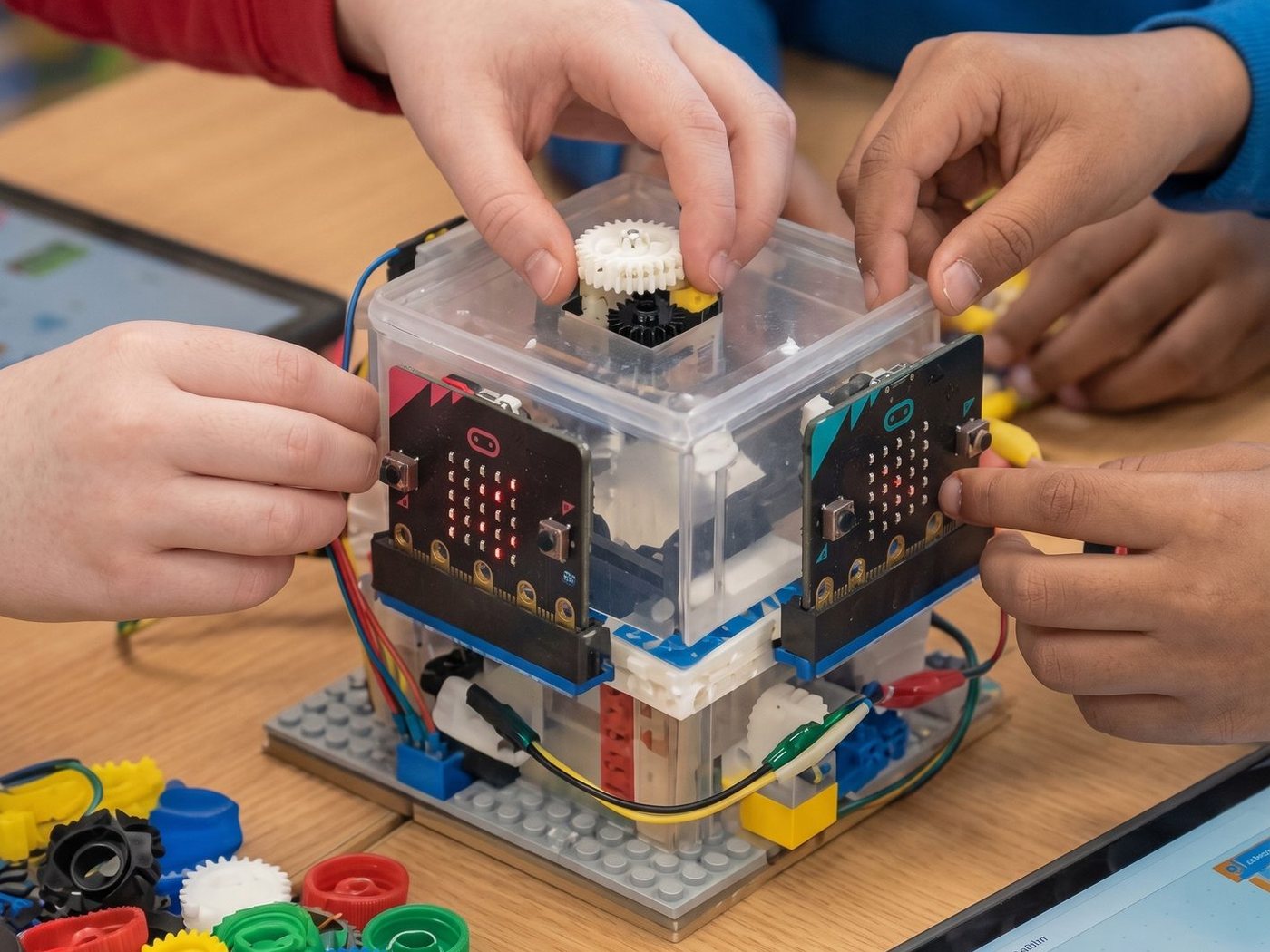
Close-up of a child wiring a micro:bit into a build

Inclusion in STEM

Girls leave STEM subjects earlier than anyone expects. Here is when it happens, why, and the practical things a primary school can change.

Read the article →  2 min read

Children programming robots at a club night

Space Science

The Kármán line sits 100km up — but the boundary is blurrier than the textbooks suggest, and the blurriness is the interesting part.

Read the article →  2 min read

Bring the Space Club
to your school

Teacher or parent, the form is the same and the reply is human. We respond within one working day, and from first contact to first session typically takes two to four weeks.

Space Club enquiry

For teachers, school leadership and parents.

    I have a question about: